
Reimagining Cadillac's Digital Experience
Overview
In 2010, Digitas partnered with BBH and The Lab NYC to help reinvent Cadillac's digital presence as part of one of the brand's most ambitious repositioning efforts. As Associate Creative Director, I led the user experience, creative direction, and visual design for the digital campaign, translating Cadillac's new brand strategy into a scalable enterprise web experience. Beyond designing the flagship website, I established a reusable design system, collaborated with cross-agency partners and General Motors production teams, and helped create the digital standards that supported vehicle launches, marketing campaigns, loyalty initiatives, mobile experiences, and local market implementations.
Role
Associate Creative Director
Client
Cadillac
Year
2010
Team
Approximately 20 designers, developers, strategists, producers, and project managers
Responsibilities
Creative Direction, UX Strategy, Information Architecture, Visual Design, Motion Direction, Client Presentations, Production Oversight
Partners
BBH (Brand Strategy), The Lab NYC (Broadcast Production), MMC Michigan (Production & Implementation), General Motors
Deliverables
Enterprise Website, Design System & Guidelines, Mobile Experience, Campaign Landing Pages, Email Campaigns, Loyalty Program, Cadillac Credit Card Experience, Digital Campaigns, Local Market Brand Standards
Outcome
Digitas won the Cadillac business and launched the digital experience supporting one of the brand's most significant repositioning efforts.
Before design systems became standard practice, we built a reusable framework that brought consistency to Cadillac's website, campaigns, mobile experiences, and marketing ecosystem.
Highlights
2010 Cadillac Campaign
Led the digital creative direction for Cadillac's 2010 brand relaunch, supporting the complete vehicle lineup.
Cross-Disciplinary Team Leadership
Directed a 20+ person multidisciplinary team across UX, design, development, production, and project management.
4 Agencies, One Vision
Collaborated across four agencies to deliver a unified campaign vision (BBH, MMC, LAB NYC & DIGITAS)
The Challenge
By 2010, Cadillac faced a perception problem.
While the brand remained synonymous with American luxury, it had become associated with an older generation of buyers. Younger consumers increasingly viewed BMW and Mercedes-Benz as the aspirational luxury brands, leaving Cadillac struggling to remain culturally relevant.
At the same time, Cadillac was undergoing a dramatic transformation. Under new executive leadership, the entire vehicle lineup had been redesigned with sharper styling, improved performance, and a distinctly modern design language. The digital experience needed to reflect that same evolution.
Digitas partnered with BBH and The Lab NYC to pitch Cadillac's launch campaign. BBH led the overall brand strategy, The Lab produced broadcast and campaign assets, and Digitas was responsible for defining how the new Cadillac brand would come to life digitally.
My Contributions
As Associate Creative Director, I led the digital experience from concept through production.
I was responsible for defining the user experience and creative direction while leading a multidisciplinary team throughout the pitch and implementation phases.
My responsibilities included:
Leading UX strategy, information architecture, and visual design
Establishing the creative direction for the website experience
Presenting concepts directly to Cadillac executives during the pitch
Directing a multidisciplinary team of approximately twenty designers, developers, producers, and project managers
Overseeing day-to-day creative production and quality
Collaborating closely with BBH and The Lab NYC to ensure a unified campaign vision
Working alongside MMC in Michigan to transition the experience into production
Guiding digital asset requirements during Cadillac's national photography and commercial production


Strategy
Our challenge wasn't simply to build a marketing website.
We needed to create a digital experience that functioned equally well as an emotionally engaging brand campaign and a highly functional enterprise shopping experience.
The strategy became rooted in Cadillac's own identity.
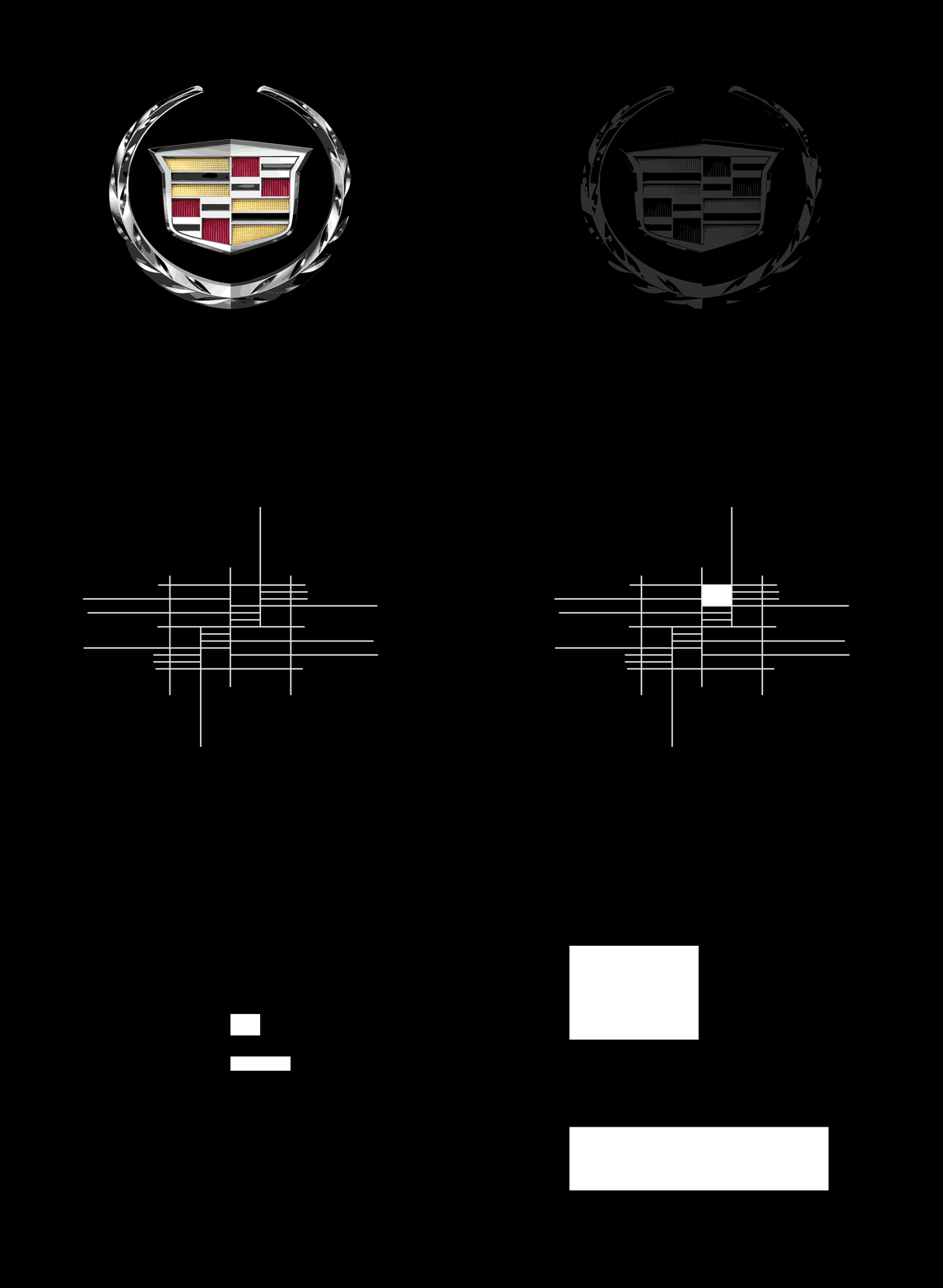
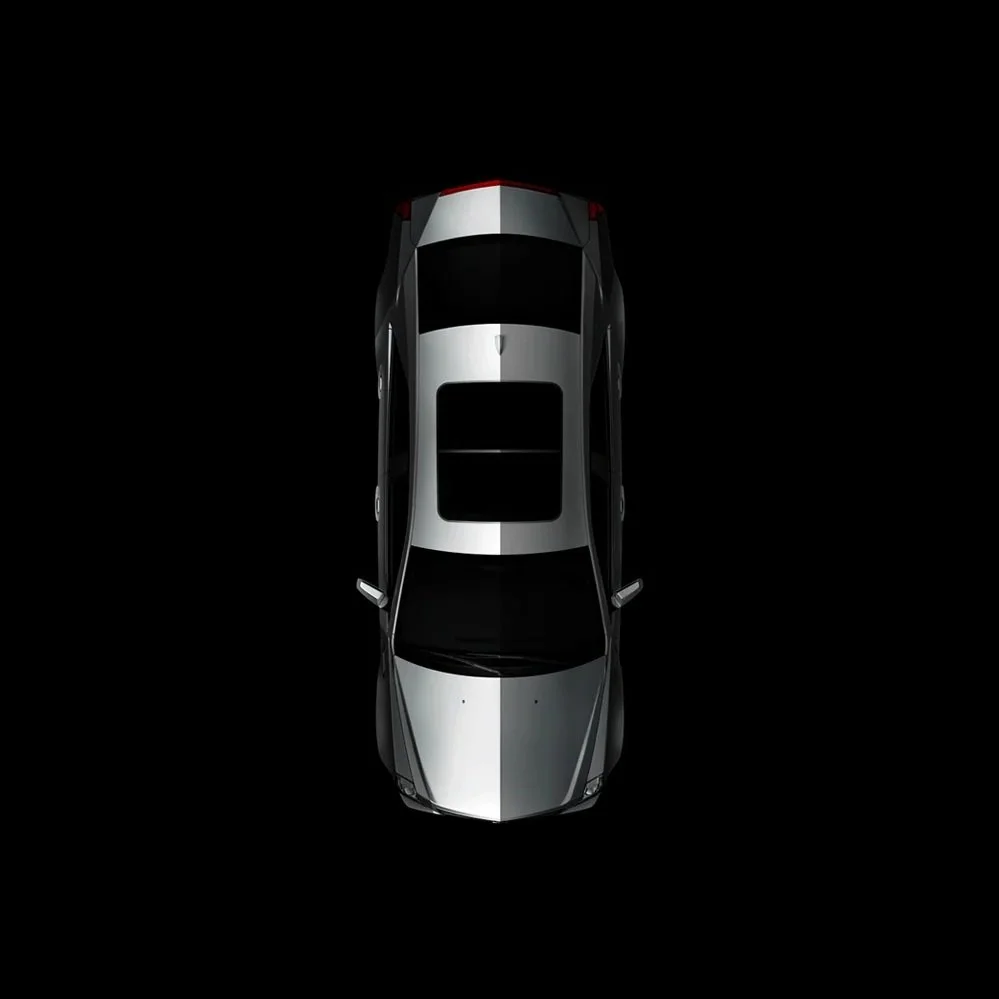
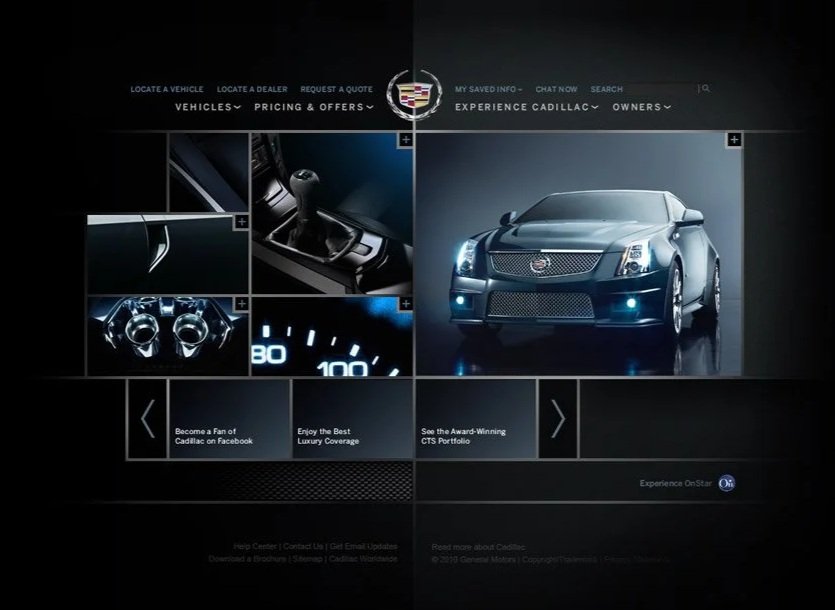
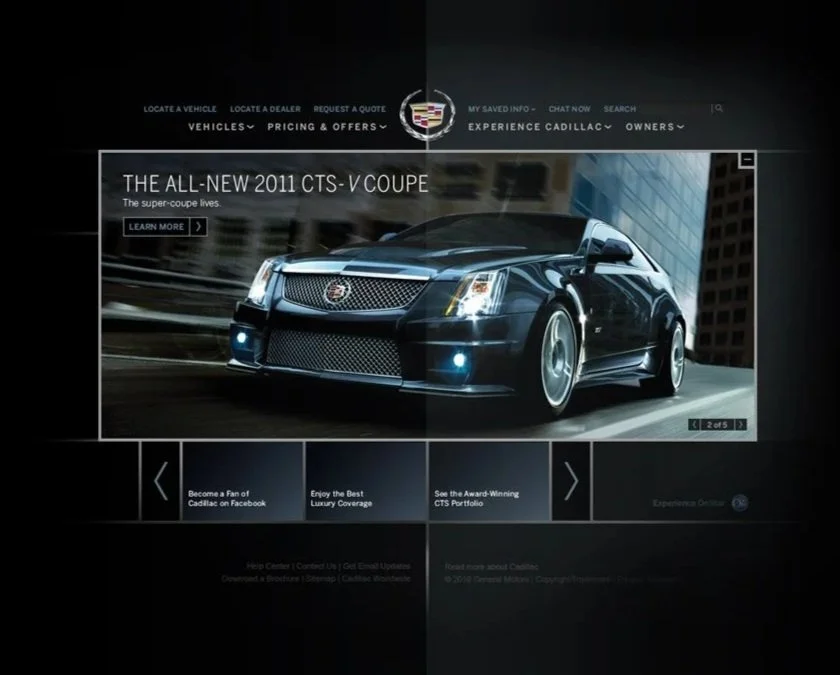
The iconic Cadillac crest represented the brand's enduring heritage and DNA, while the angular geometry of the redesigned vehicles inspired a new visual language built around precision, movement, and modern craftsmanship.
That balance between heritage and innovation influenced every design decision.
The goal was simple:
Create a digital experience that felt as refined and performance-driven as the vehicles themselves.
Designing for Scale
Although the experience needed to inspire, it also needed to perform.
Visitors had to seamlessly transition from discovering the brand to researching vehicles, comparing models, locating dealers, exploring specifications, and ultimately moving toward purchase.
Complicating matters further, the entire experience needed to operate within General Motors' enterprise CMS platform while supporting multiple vehicle lines with unique content requirements.
Rather than designing isolated pages, we created a reusable digital system that could scale across the entire Cadillac ecosystem.
Long before "design systems" became common practice, we established:
Modular interface components
Standardized page templates
Interaction patterns
Visual design guidelines
Motion principles
Photography standards
Production documentation
These standards became the foundation for a much broader digital ecosystem extending well beyond the primary website.
Leading Beyond the Website
Following the successful pitch, my role expanded into implementation and governance.
I partnered closely with MMC in Michigan to ensure the production teams understood how the design system should be applied consistently across the enterprise. Together we established implementation standards, production workflows, and quality expectations that allowed the experience to scale without compromising the original vision.
I also represented the digital team during Cadillac's national production shoot in California.
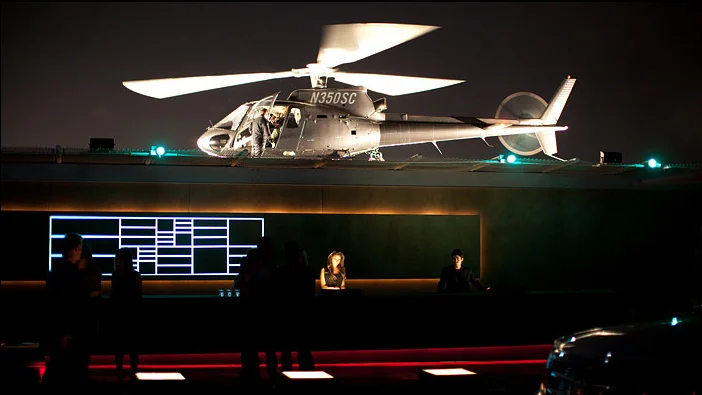
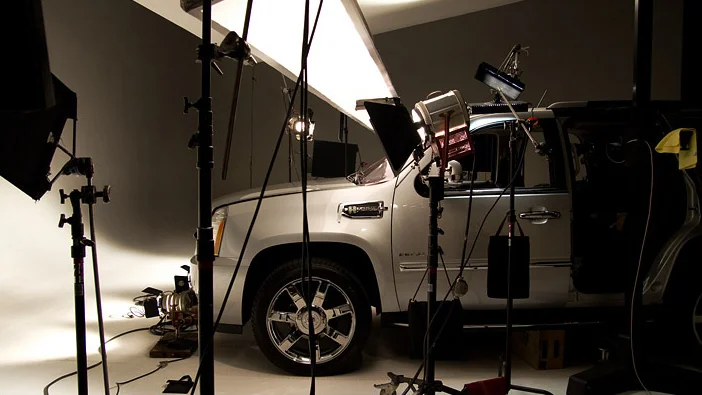
The scale of the production was unlike anything I had experienced. Multiple sound stages operated simultaneously, each dedicated to different vehicles, television commercials, photography, and interior detail captures. Hundreds of creative professionals, directors, photographers, stylists, engineers, and production specialists worked together to produce what was reported to be a $58 million campaign.
My responsibility was to ensure the photography and video assets required for the website were captured correctly and met the standards established by our digital experience. Working alongside Cadillac's creative leadership, I helped inform the production team on framing, composition, asset requirements, and digital usage so the final experience would be as compelling online as it was across traditional media.
Building a Connected Digital Ecosystem
The website became the foundation for a much broader suite of digital experiences.
Beyond the flagship Cadillac website, our work extended into:
National campaign websites
Vehicle model experiences
Campaign landing pages
Cadillac loyalty initiatives
Cadillac credit card branding and digital experience
Email marketing campaigns
Online advertising experiences
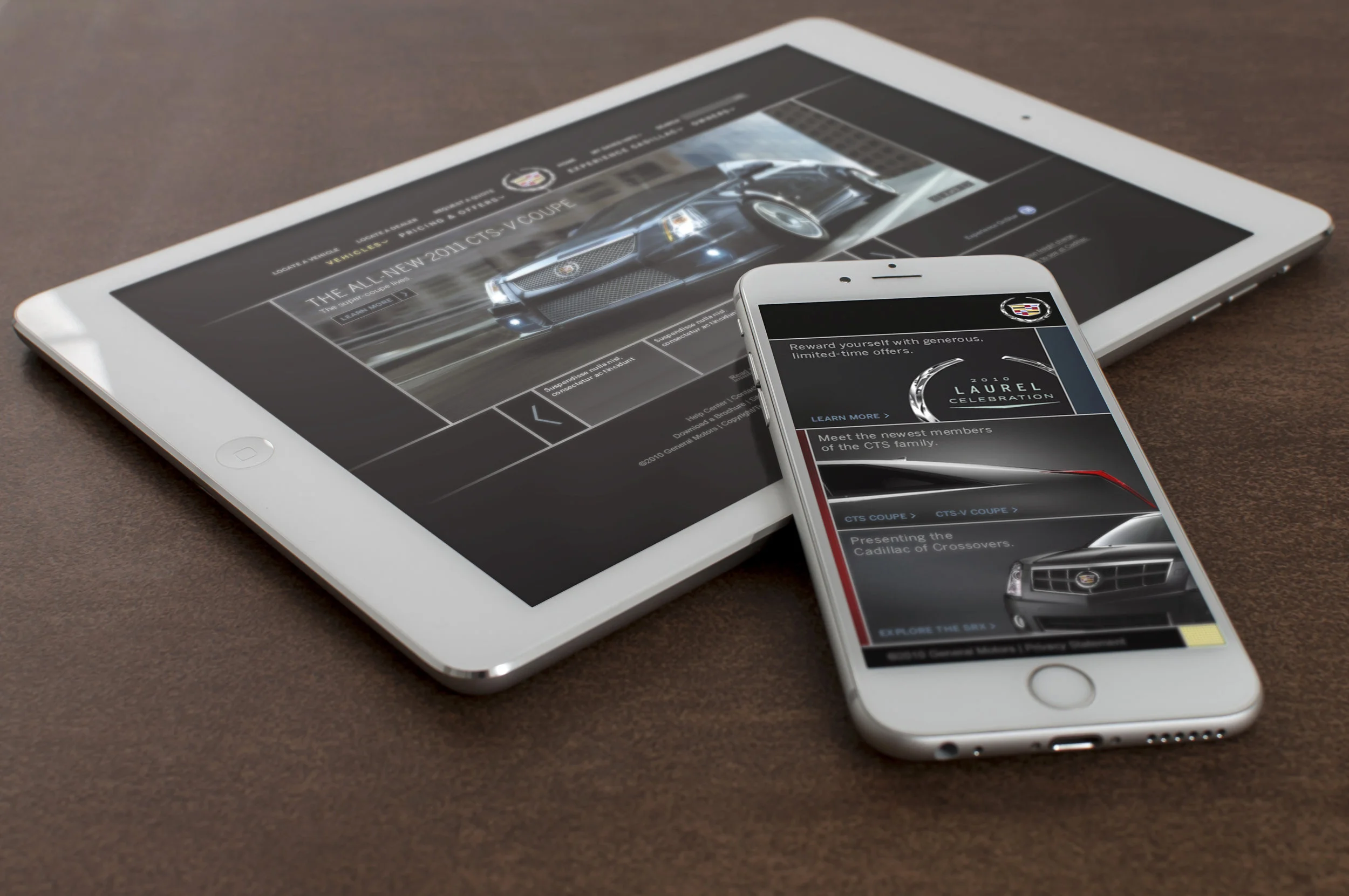
Cadillac's early mobile website
Brand standards and implementation guidance for regional and local marketing teams
This ensured that regardless of where customers encountered Cadillac digitally, they experienced a consistent expression of the brand.
Outcome
Digitas won the Cadillac business, securing one of the agency's most significant automotive engagements.
The website launched in the U.S. as the digital centerpiece of Cadillac's brand transformation, supported by a scalable design framework that enabled ongoing campaigns, vehicle launches, and enterprise marketing initiatives.
More importantly, the project demonstrated how a thoughtfully designed digital system could preserve creative ambition while supporting the realities of enterprise technology, multiple agency partners, and long-term operational needs.
$58M
National campaign production
Reflection
Looking back, this project changed me—but not for the reasons most people might expect.
At the time, I was completely consumed by the opportunity. Working on one of the world's most recognizable brands, collaborating with world-class agencies, participating in a $58 million production, and helping shape Cadillac's future felt like the pinnacle of my career. I poured everything I had into it.
Too much, if I'm honest.
I worked through holidays, spent long stretches away from my wife, and measured success almost entirely by the quality of the work and the recognition that came with it. I became intoxicated by the scale of the project and the prestige surrounding it—the celebrity directors, massive productions, and larger-than-life expectations. Somewhere along the way, I lost sight of the people around me.
I pushed hard, but I didn't always bring people with me. I spent more energy trying to prove myself than helping others succeed. Today, I understand that leadership isn't about carrying the weight of a project alone or being the person everyone depends on. It's about creating an environment where people feel valued, trusted, inspired, and proud of what they've accomplished together.
Creatively, this project also reshaped my perspective.
While I'm proud of what we built, I don't believe the final experience struck the right balance. We successfully modernized Cadillac's brand, but in many ways the website became too focused on the brand experience and not focused enough on the people using it.
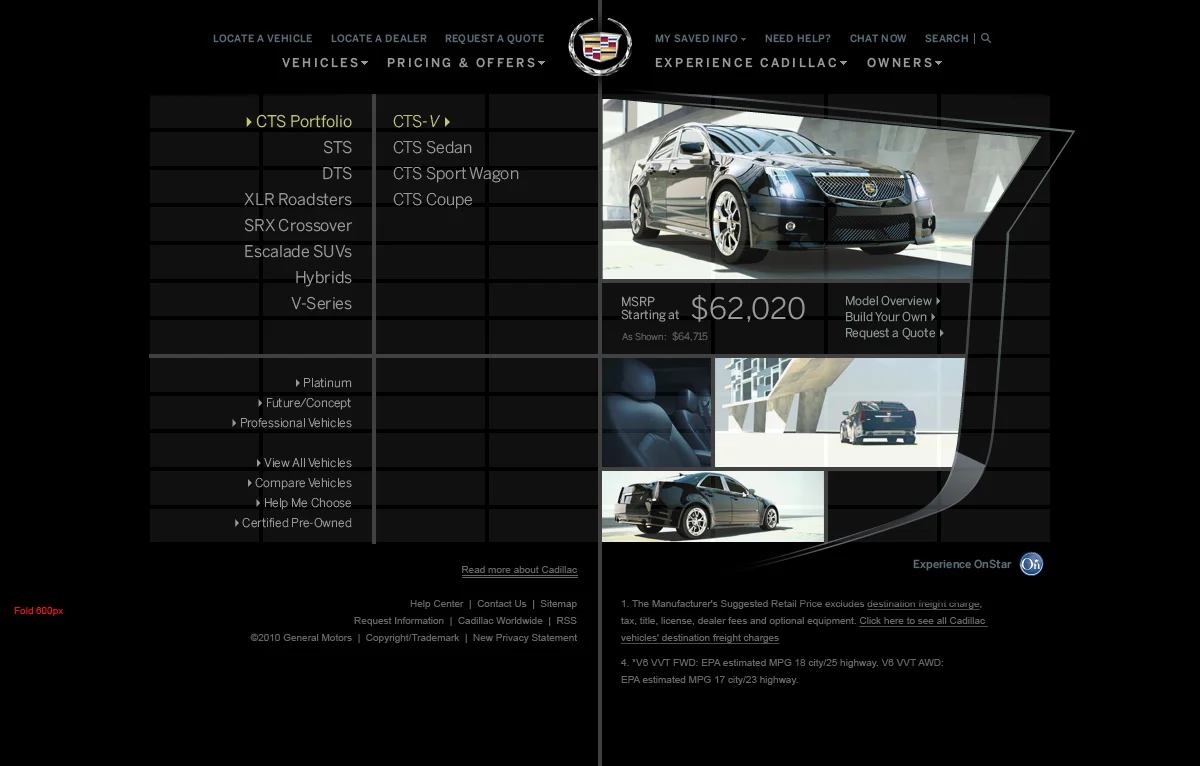
One of the best decisions we made was pushing back on the original navigation concept. The initial vision heavily mirrored Cadillac's visual identity through animation and unconventional interactions. It was visually striking, but usability suffered. We ultimately simplified the navigation into something far more familiar and intuitive, creating a better balance between brand expression and user needs.
That lesson has stayed with me throughout my career.
Great brands don't earn loyalty because they look impressive—they earn it because they make people's lives easier.
If I were leading this project today, I would protect my team's time more deliberately, celebrate the small wins instead of waiting for the big one, and create more opportunities for others to share ownership of the success. I would also advocate even more strongly for usability, accessibility, and simplicity—not in opposition to brand, but as essential expressions of it.
The scale of a project should never overshadow the people building it or the people using it.
That's the lesson Cadillac taught me, and it's one I've carried into every leadership role since.
Case Studies in Organizational, Product & AI Transformation
-
Building a Creative Organization
Helped transform a 40-person regional digital agency into a nationally recognized creative consultancy by scaling multidisciplinary teams, introducing new capabilities, developing leadership, and creating a culture that enabled creativity, collaboration, and sustainable growth.
-

Operationalizing an Enterprise Brand
Helped transform The Hartford's brand into a scalable enterprise system by creating reusable standards, governance, and implementation guidelines that unified communications across business lines, internal teams, and agency partners.
-
Transforming a Global Design System into One Unified Team
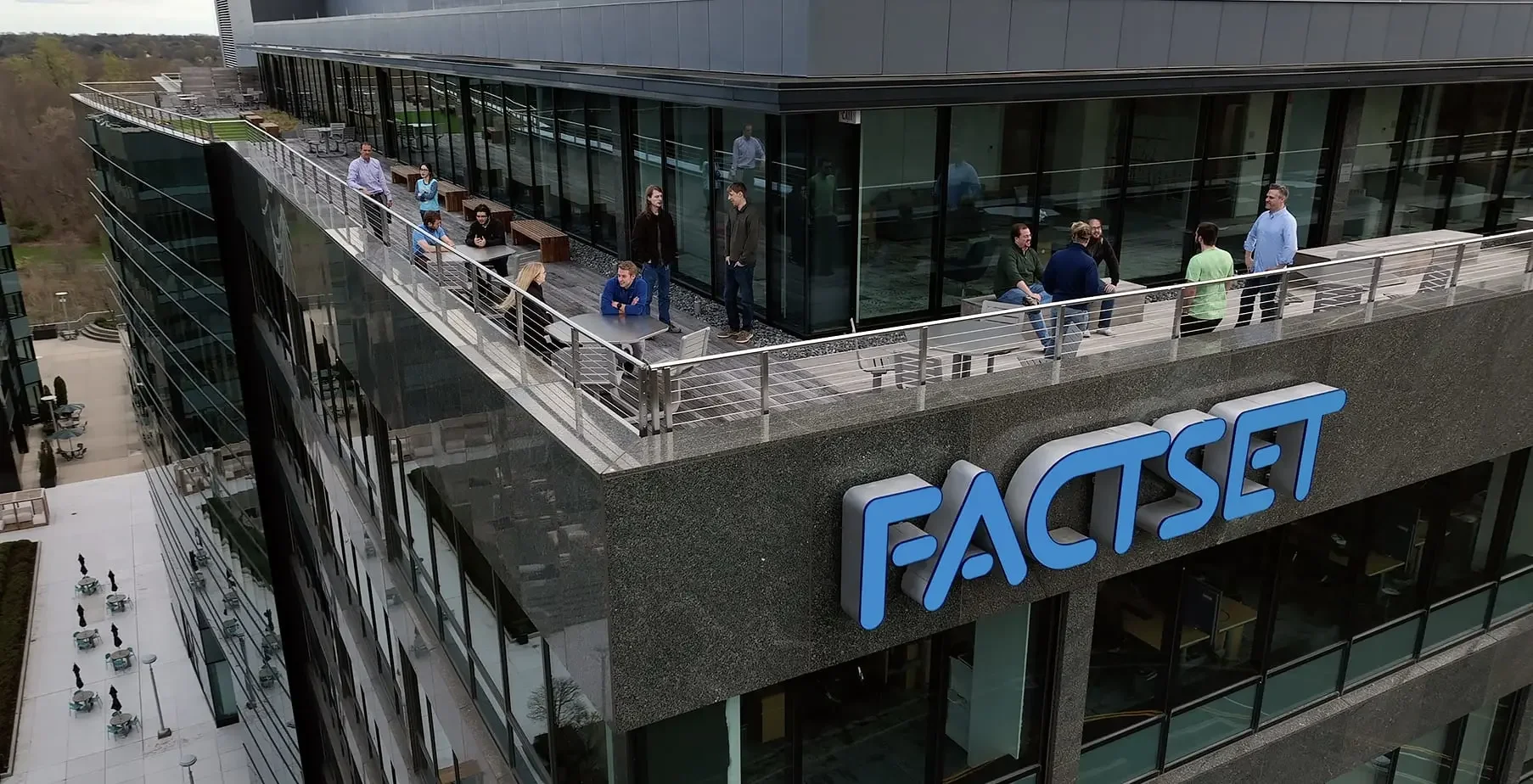
Unified a globally distributed Design Systems organization by establishing shared governance, scalable operating models, and cross-functional collaboration across Design, Engineering, Product Management, Accessibility, UX Writing, Research, and Agile—turning Fusion into a more connected, consumer-focused organization.
-
Accelerating Enterprise Product Design with AI
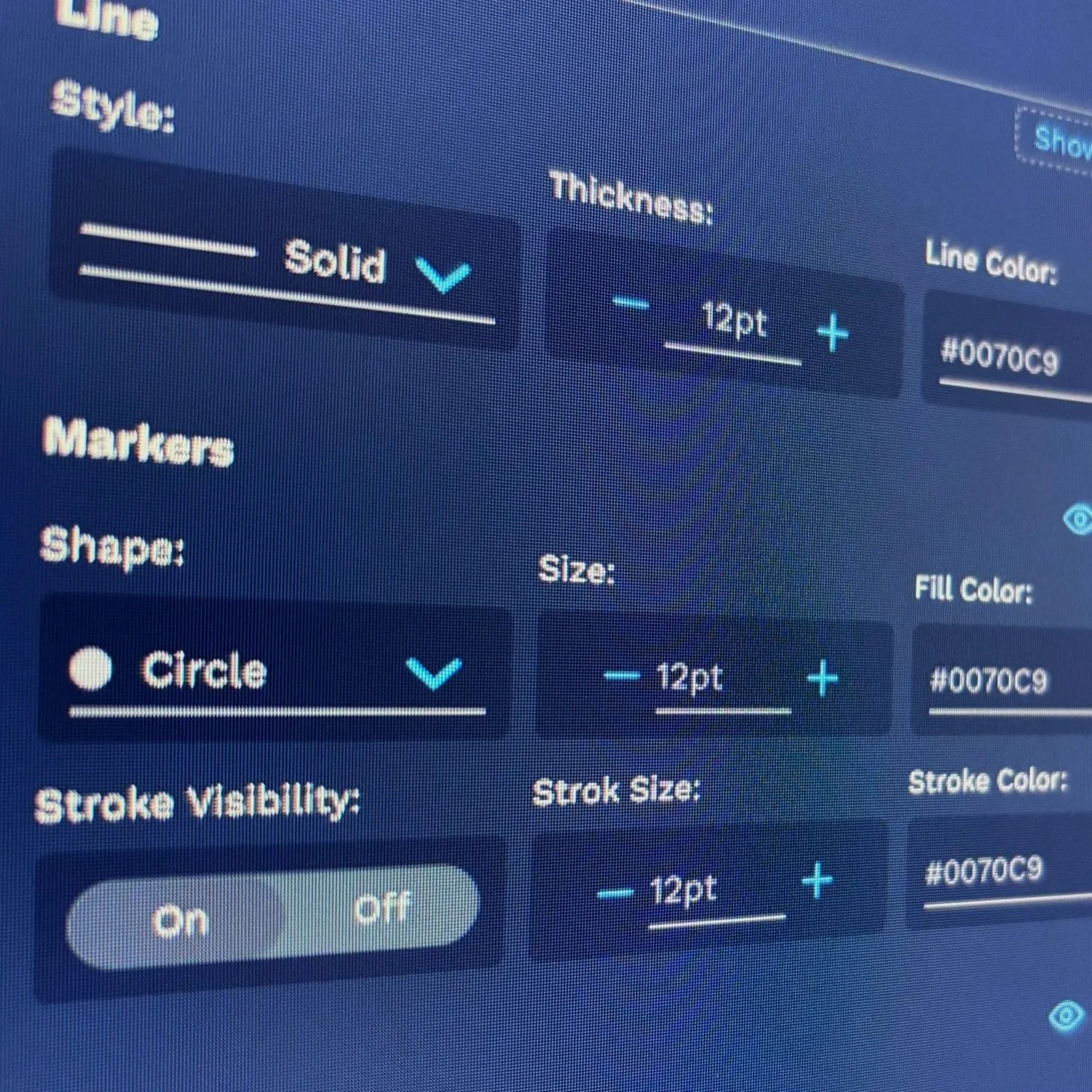
Redesigned the Highcharts authoring experience while pioneering an AI-enabled design-to-code workflow using ChatGPT, Claude Code, and MCP integrations. Delivered two interactive enterprise prototypes in just 2.5 months, generating 70%+ reusable production-quality code.
-
Leading Cadillac's Digital Transformation
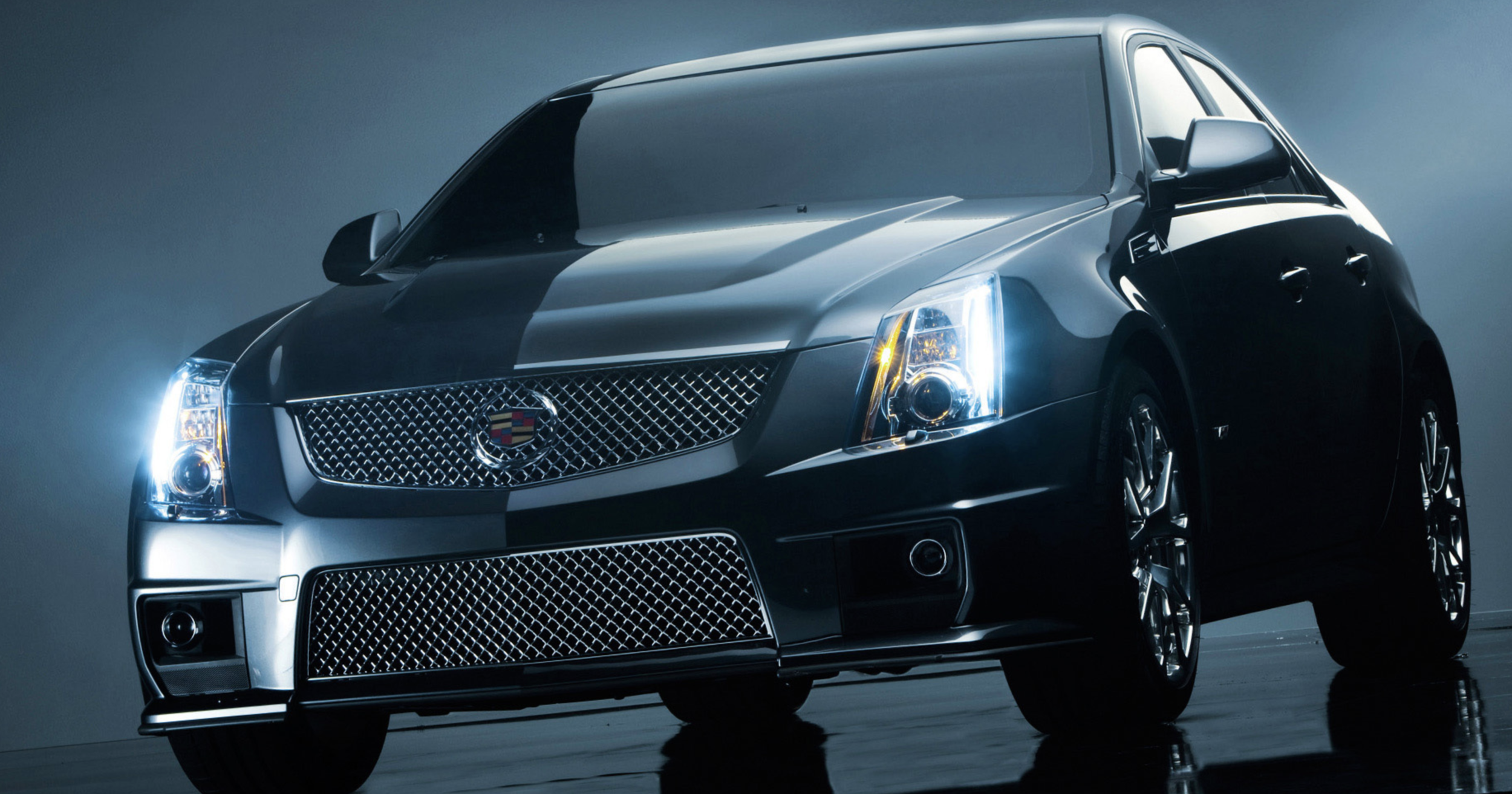
Directed the UX and creative vision for Cadillac's digital relaunch, balancing immersive brand storytelling with enterprise-scale commerce and creating reusable design standards that supported the entire digital ecosystem.