
Transforming a Global Design System into One Unified Team
Overview
As adoption of the Fusion Design System expanded across FactSet, so did the complexity of the organization supporting it. Teams across North America, Europe, and Asia had grown independently, resulting in inconsistent processes, fragmented communication, and varying approaches to governance and support.
As part of the Fusion Design System leadership team, I helped transform Fusion from a collection of specialized contributors into a unified global organization with shared processes, clear ownership, and a scalable operating model that better supported both internal teams and long-term growth.
Role
Associate Director, UX Design (Fusion Design System Leadership Team)
Organization
Factset
Team
Global cross-functional team spanning North America, Europe, and Asia
Scope
Unified Design, Engineering, Product Management, Accessibility, UX Writing, Research, and Agile Delivery into a shared operating model supporting hundreds of internal product teams.
Focus
Organizational transformation, governance, design system adoption, cross-functional collaboration, and operational scalability.
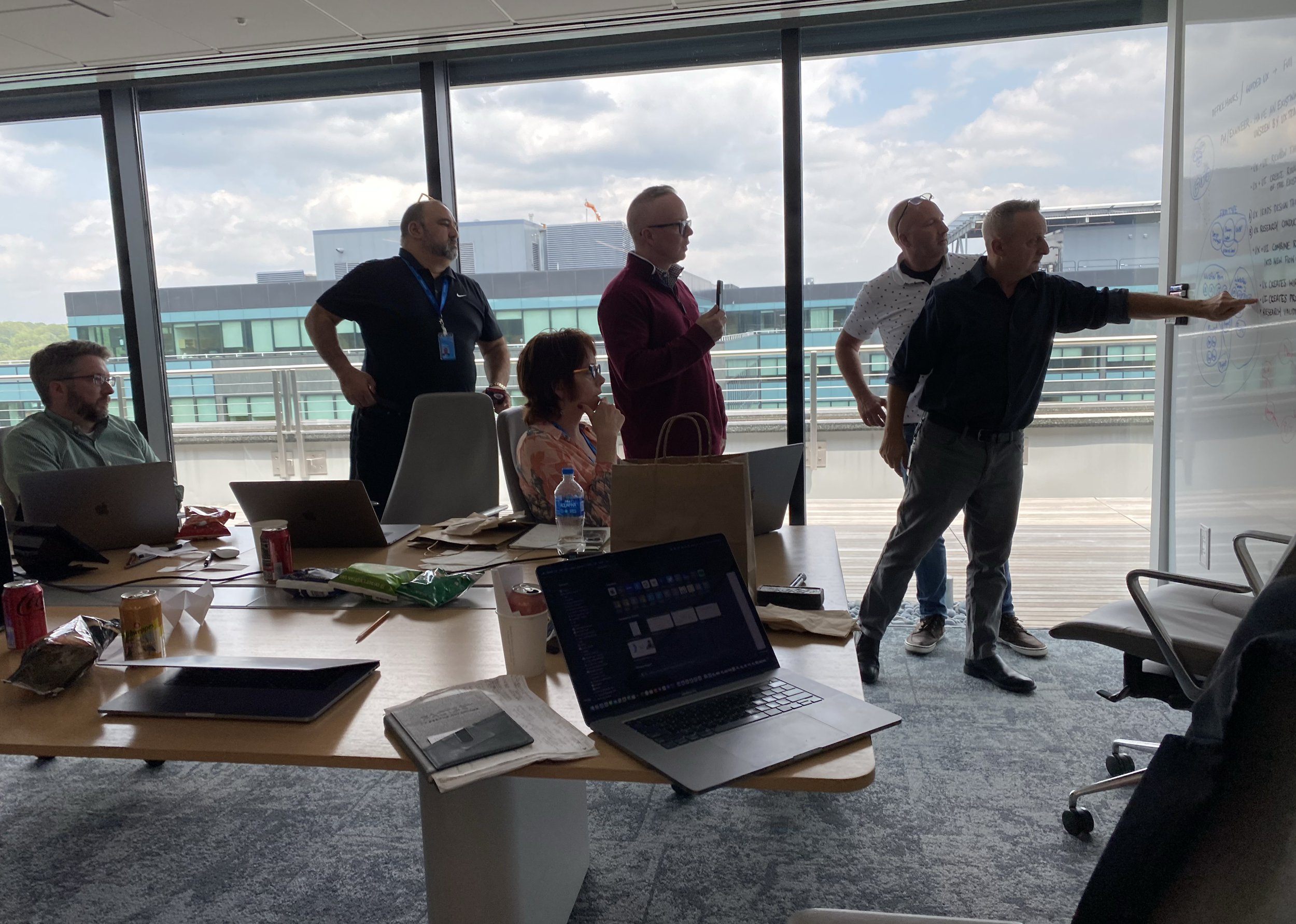
I learned very quickly that the teams had no problem working together. The real challenge was building trust—trust in each other, and trust that I had their best interests at heart.
Organizational Impact
Global Organizational Transformation
Unified a globally distributed organization across North America, Europe, and Asia by aligning Design, Engineering, Product Management, Accessibility, UX Writing, Research, and Agile around a shared operating model.
Scalable Operating Model
Established governance, intake, prioritization, support, onboarding, and communication frameworks that transformed Fusion from a reactive service into a scalable product organization.
Culture of Shared Ownership
Created programs including Office Hours, Design Curators, monthly showcases, centralized documentation, and an AI knowledge base that increased transparency, collaboration, and design system adoption.
The Challenge
Fusion served hundreds of designers, developers, and product managers across FactSet, but the organization behind it lacked a consistent way of working.
Individual disciplines—including Design, Engineering, Product Management, Accessibility, UX Writing, Research, and Agile Delivery—had developed their own processes, communication channels, and priorities. As the team grew, this fragmentation made it increasingly difficult to support product teams consistently, onboard new consumers, prioritize work, and maintain visibility across initiatives.
The challenge wasn’t simply improving a design system. It was creating an organization capable of operating like a product team at enterprise scale.
My Contributions
As Associate Director of UX Design and a member of the Fusion Design System leadership team, I focused on improving how the organization operated across regions and disciplines.
My responsibilities included:
Organizational strategy and team alignment
Governance and operating model development
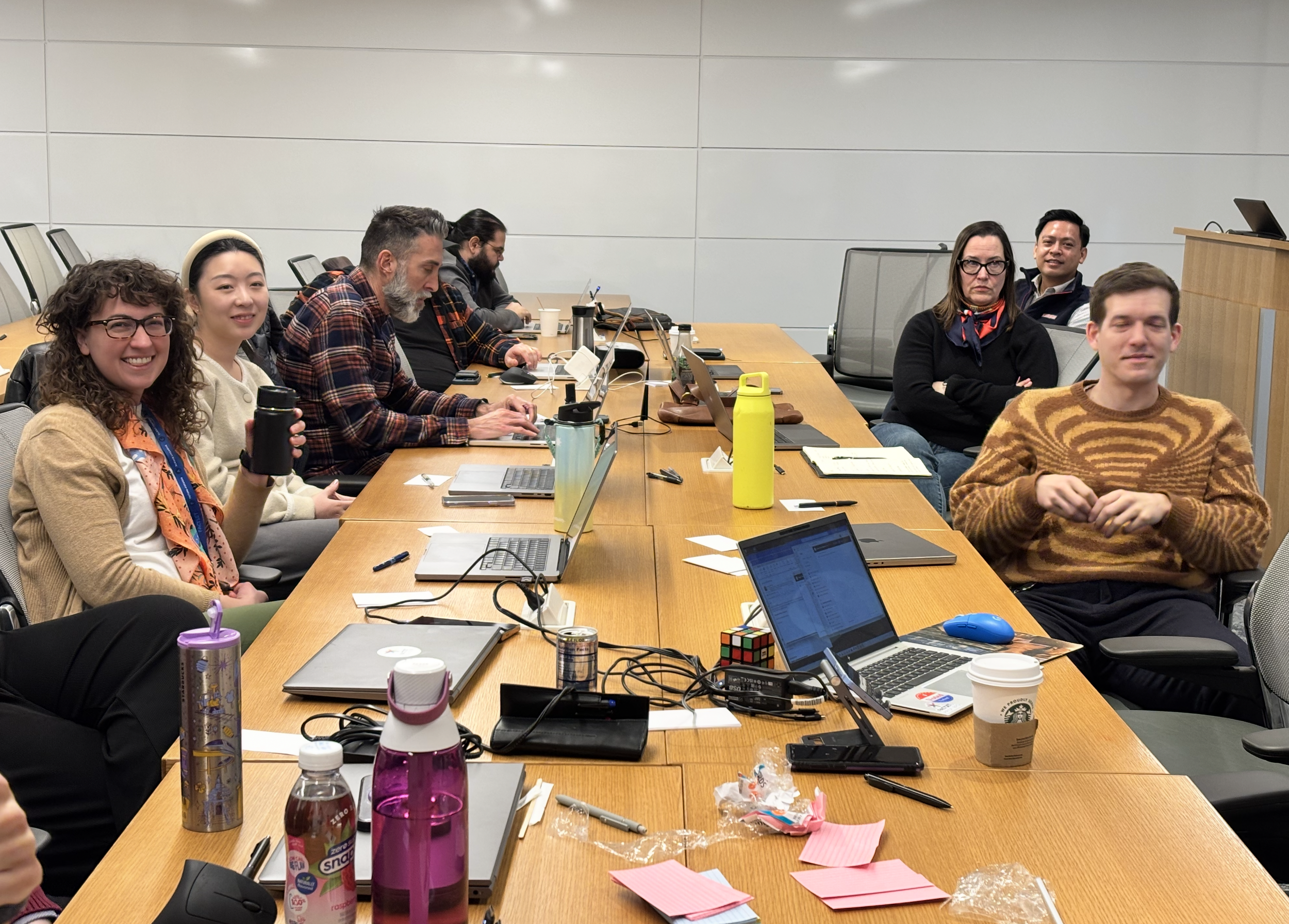
Cross-functional facilitation
Intake and prioritization processes
Office Hours and support model creation
Communication and adoption strategy
SharePoint and onboarding experience
Design Curator program
AI knowledge base strategy
Monthly Fusion Showcase leadership
Key Leadership
Decisions
Create One Team, Not Multiple Disciplines
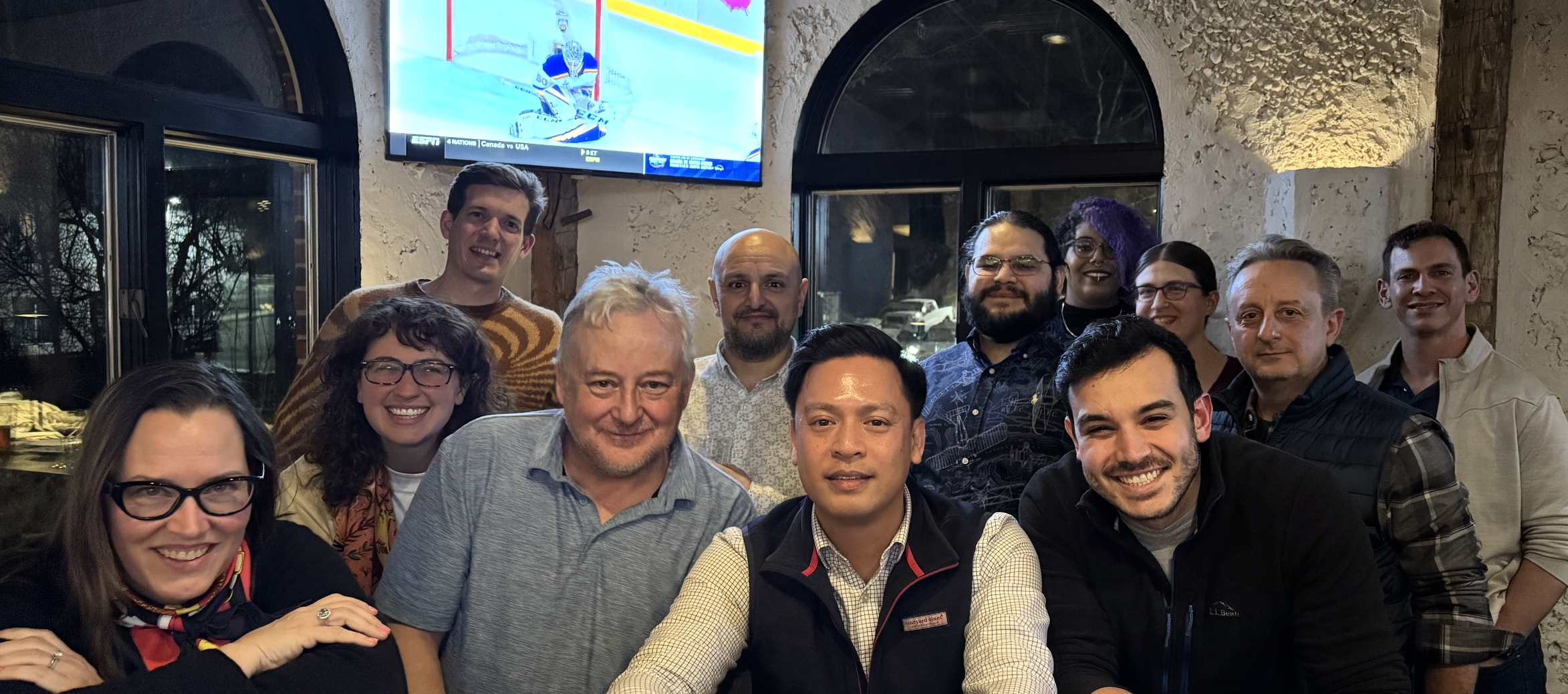
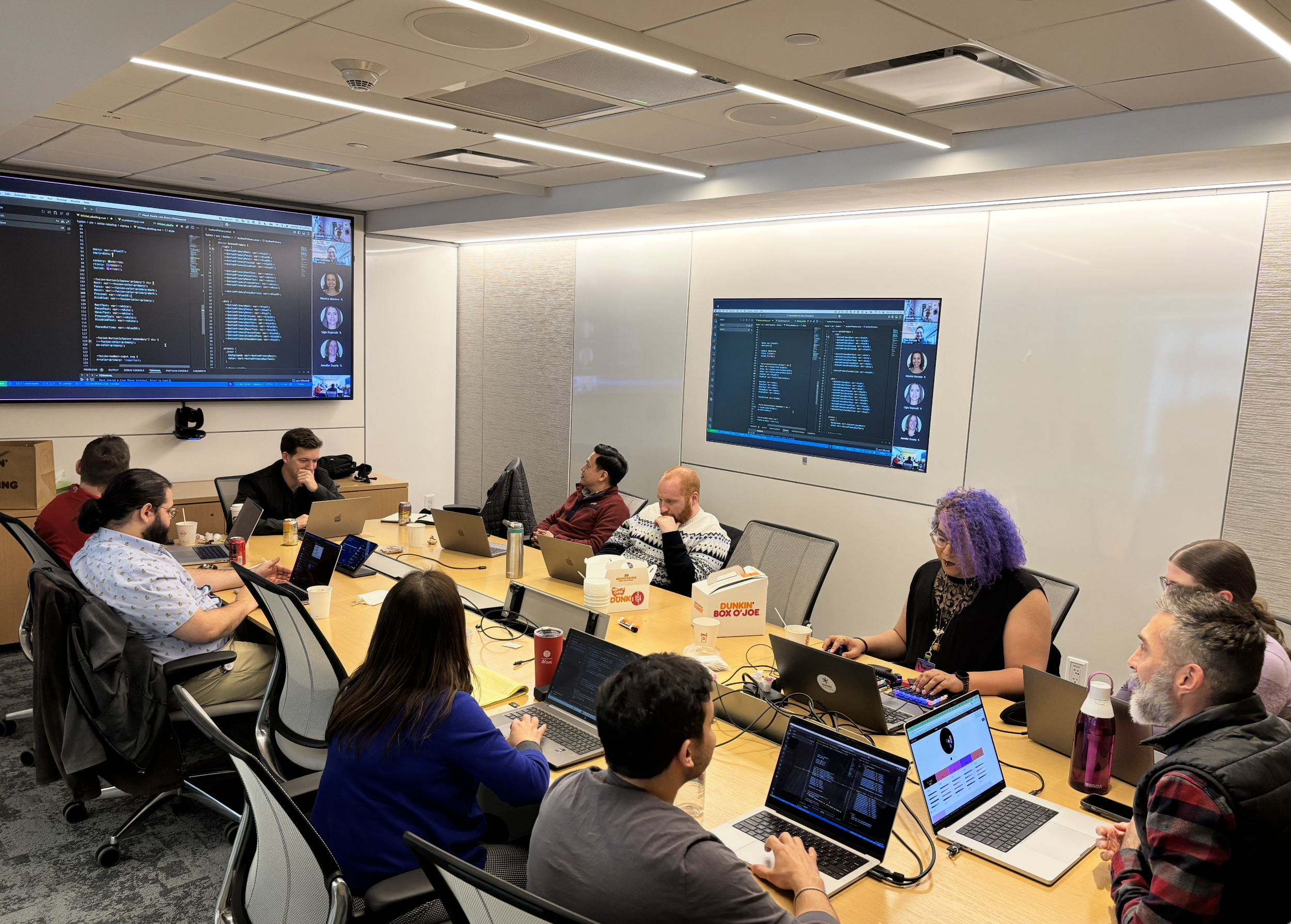
Rather than allowing Design, Engineering, Product Management, Accessibility, UX Writing, Research, and Agile Delivery to operate independently, we established a shared operating model centered around common goals, shared ownership, and cross-functional decision making.
This shifted Fusion from a collection of specialists into a single product organization working toward the same outcomes.
Design a Service Around Internal Consumers
As adoption grew, supporting product teams became just as important as building components.
We introduced weekly Office Hours, rotating Design Curators, centralized documentation, monthly Fusion Showcases, and a dedicated SharePoint hub that gave teams a consistent way to learn about Fusion, ask questions, and engage with the organization.
These initiatives transformed support from reactive conversations into scalable services.
Replace Informal Processes with Clear Governan
To improve transparency and scalability, we established structured intake, refinement, prioritization, and working agreements that clarified ownership and decision making across disciplines.
This created a repeatable framework for evaluating requests, aligning priorities, and managing the design system as adoption continued to grow.
Treat the Design System Like a Product
Beyond components, we invested in the systems required to sustain long-term adoption.
We improved alignment between Figma, Storybook, and documentation, launched a centralized onboarding experience, and helped shape an AI-powered knowledge base that made it easier for teams to find answers independently while reducing support overhead.
Together, these initiatives positioned Fusion as an internal product supported by services, governance, documentation, and continuous engagement.
Outcomes
The transformation established a scalable operating model that better supported Fusion’s continued growth across the organization.
Key outcomes included:
Unified global teams around shared processes and governance.
Improved collaboration across Design, Engineering, Product Management, Accessibility, Research, and UX Writing.
Standardized intake, prioritization, and decision-making.
Expanded support through Office Hours, Design Curators, and centralized documentation.
Increased visibility through monthly showcases and transparent communication.
Strengthened long-term adoption by treating the design system as a product rather than a component library.
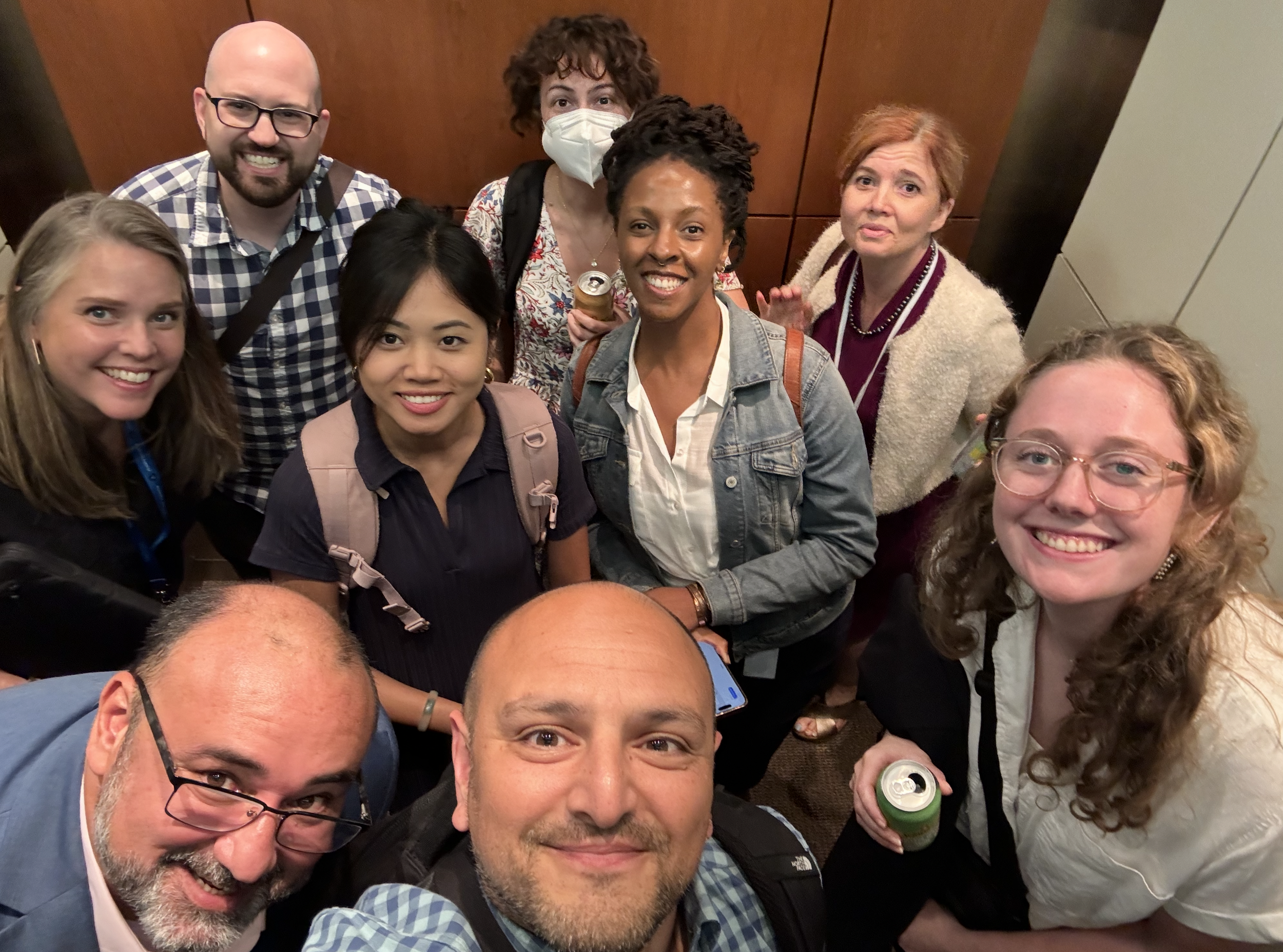
I’m proud of the foundation we built together and confident it will continue to serve the team well as it grows and evolves.
Reflection
One of the most important lessons from this initiative was that organizational change begins with leadership, not process.
Building a collaborative culture required more than introducing new workflows—it required consistently modeling the behaviors we wanted others to adopt. That meant inviting feedback, embracing criticism, and creating an environment where every discipline felt ownership in the team’s success.
The result wasn’t simply a more organized design system. It was a stronger, more connected organization capable of scaling together.
Case Studies in Organizational, Product & AI Transformation
-
Building a Creative Organization
Helped transform a 40-person regional digital agency into a nationally recognized creative consultancy by scaling multidisciplinary teams, introducing new capabilities, developing leadership, and creating a culture that enabled creativity, collaboration, and sustainable growth.
-

Operationalizing an Enterprise Brand
Helped transform The Hartford's brand into a scalable enterprise system by creating reusable standards, governance, and implementation guidelines that unified communications across business lines, internal teams, and agency partners.
-
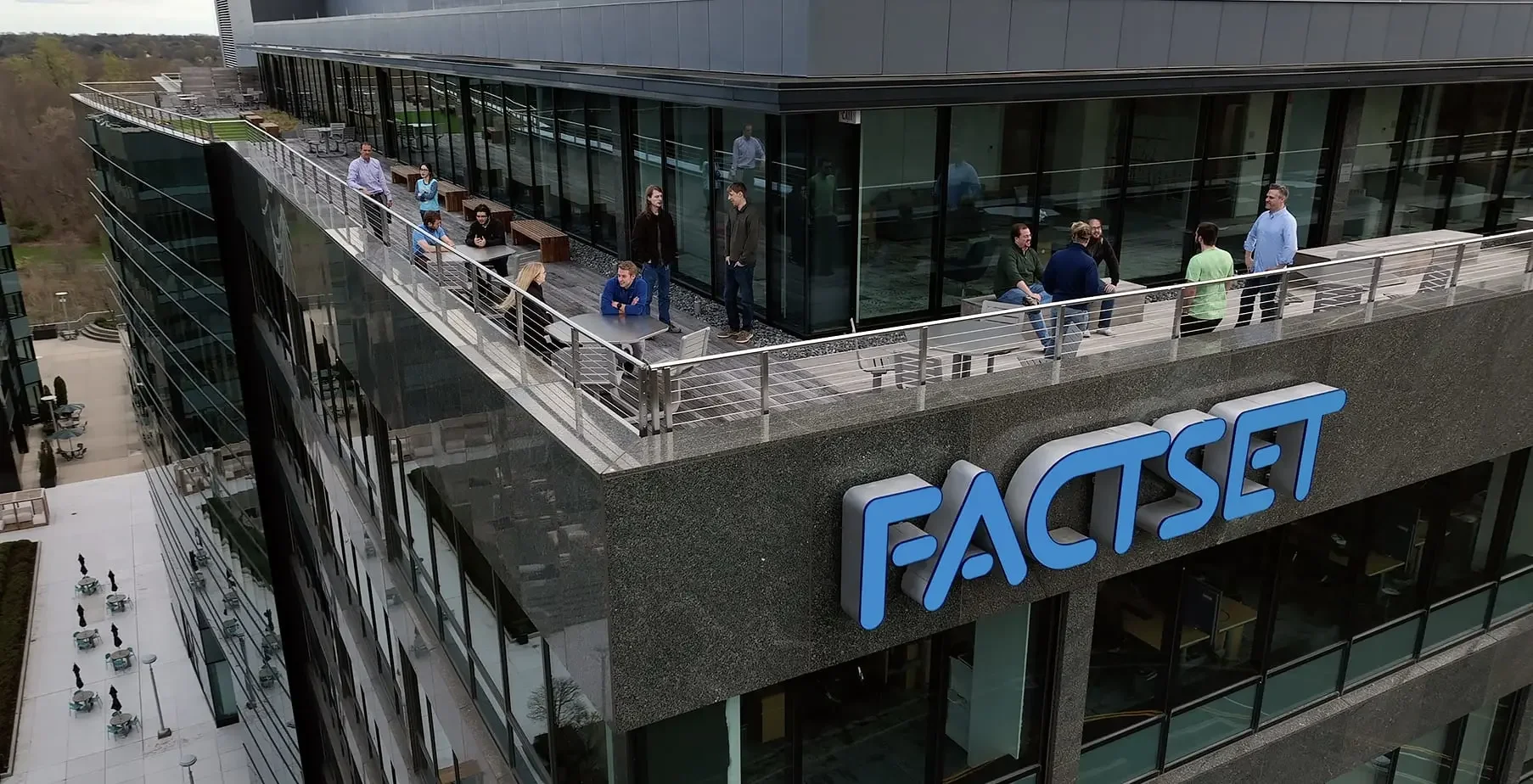
Transforming a Global Design System into One Unified Team
Unified a globally distributed Design Systems organization by establishing shared governance, scalable operating models, and cross-functional collaboration across Design, Engineering, Product Management, Accessibility, UX Writing, Research, and Agile—turning Fusion into a more connected, consumer-focused organization.
-
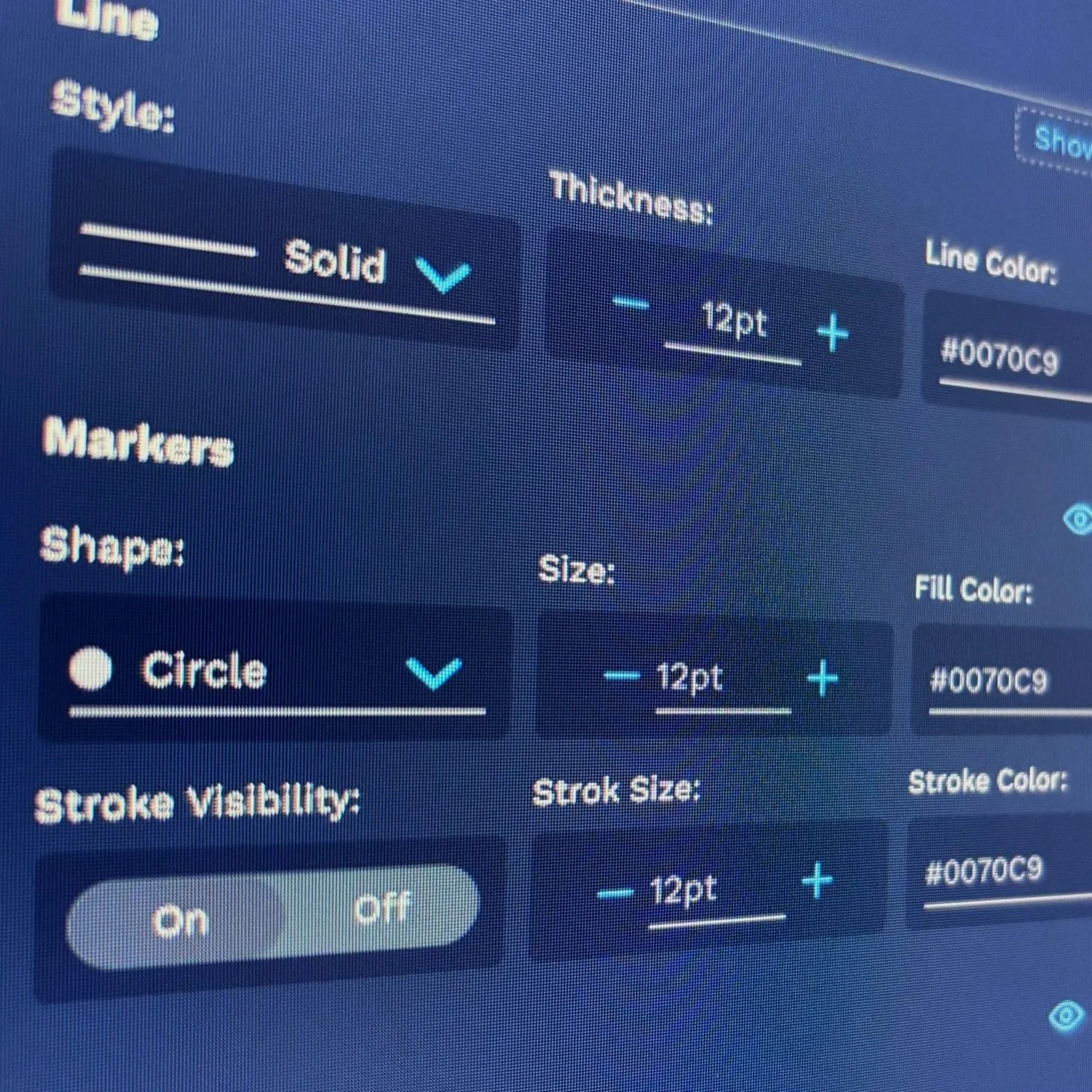
Accelerating Enterprise Product Design with AI
Redesigned the Highcharts authoring experience while pioneering an AI-enabled design-to-code workflow using ChatGPT, Claude Code, and MCP integrations. Delivered two interactive enterprise prototypes in just 2.5 months, generating 70%+ reusable production-quality code.
-

Leading Cadillac's Digital Transformation
Directed the UX and creative vision for Cadillac's digital relaunch, balancing immersive brand storytelling with enterprise-scale commerce and creating reusable design standards that supported the entire digital ecosystem.