
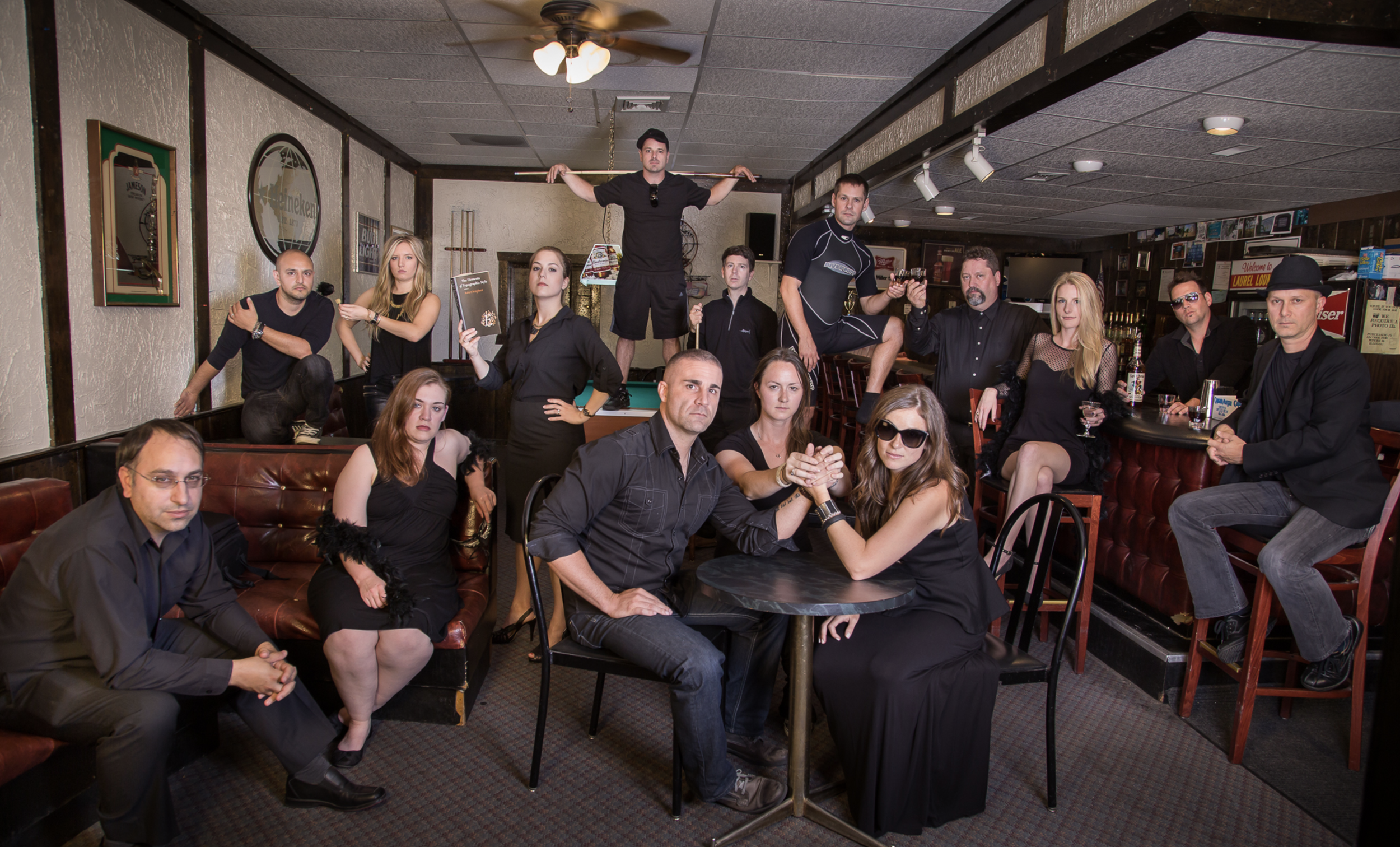
Building a Scalable Creative Organization
Overview
When I joined Primacy as Vice President, Creative Director, the agency was entering a period of significant growth. As client engagements became larger and more complex, the creative organization needed to evolve alongside the business. Success depended not only on producing exceptional creative work, but on building the people, processes, and operational foundation required to support long-term growth.
Over the following several years, the agency transformed from approximately 40 employees into an award-winning digital consultancy of more than 110+ people across multiple offices. That growth required an organization capable of delivering consistently across strategy, UX, visual design, content, development, motion, and video while maintaining a collaborative, people-first culture.
Role
Vice President, Creative Director
Organization
Primacy
Team
30–40 multidisciplinary
creative professionals
Agency Growth
~40 → 110+ employees
Focus
Creative Leadership,
Organizational Design & Operations
Executive Partnership
CEO & Executive Leadership Team
Disciplines
UX / Visual Design / Content / Front-End Development / Motion Graphics / Video Production
Industries
Healthcare
Financial
Higher Education
Growth wasn't simply measured by headcount. It required new capabilities, stronger leadership, and a creative organization designed to scale alongside the business.
Organizational Impact
Scaled
the Organization
Helped build the creative department that supported Primacy's growth from approximately 40 employees to more than 110 across multiple office.
Enabled
Business Growth
Created a scalable creative organization that improved collaboration, increased delivery capacity, and positioned Primacy to pursue increasingly complex enterprise work.
Unified
Creative Disciplines
Established a multidisciplinary organization bringing together UX, visual design, copywriting, development, motion graphics, and video production under a shared vision and operating model.
Strengthened
Leadership
Built career paths, mentorship opportunities, and leadership structure that allowed creative talent to grow alongside the agency.
Lasting
Foundation
The organizational structure, collaborative processes, and leadership model established during this period became the foundation for continued agency growth.
Expanded
Capabilities
Introduced new creative services and operational processes that increased the agency's ability to support larger, more sophisticated client engagements.
The Challenge
Rapid growth introduced organizational complexity that extended far beyond creative execution.
Key priorities included:
Building a multidisciplinary creative organization.
Aligning strategy, UX, visual design, development, content, and production around a shared operating model.
Recruiting, mentoring, and retaining exceptional creative talent.
Creating repeatable processes that supported both creativity and operational excellence.
Partnering with executive leadership to ensure the creative organization evolved alongside the business.
My Contributions
While creative direction remained an important part of the role, the greater challenge was designing an organization capable of supporting sustained growth.
This included:
Building and leading a multidisciplinary creative department of approximately 30–40 professionals.
Developing Associate Creative Directors and future creative leaders.
Recruiting and mentoring creative talent across multiple disciplines.
Establishing career paths, competencies, and professional development opportunities.
Creating collaborative workflows between strategy, design, content, development, and production.
Expanding the agency's creative capabilities and service offerings.
Partnering with executive leadership to shape organizational strategy and long-term growth.
Business Impact
The work extended well beyond successful client engagements.
By investing in people, leadership, and operational design, the creative organization became a strategic business capability rather than simply a production department.
The result was an organization better equipped to:
Deliver increasingly complex enterprise engagements.
Scale without compromising creative quality.
Strengthen collaboration across disciplines.
Improve consistency in delivery and client experience.
Support continued agency growth across healthcare, higher education, financial services, and other regulated industries.
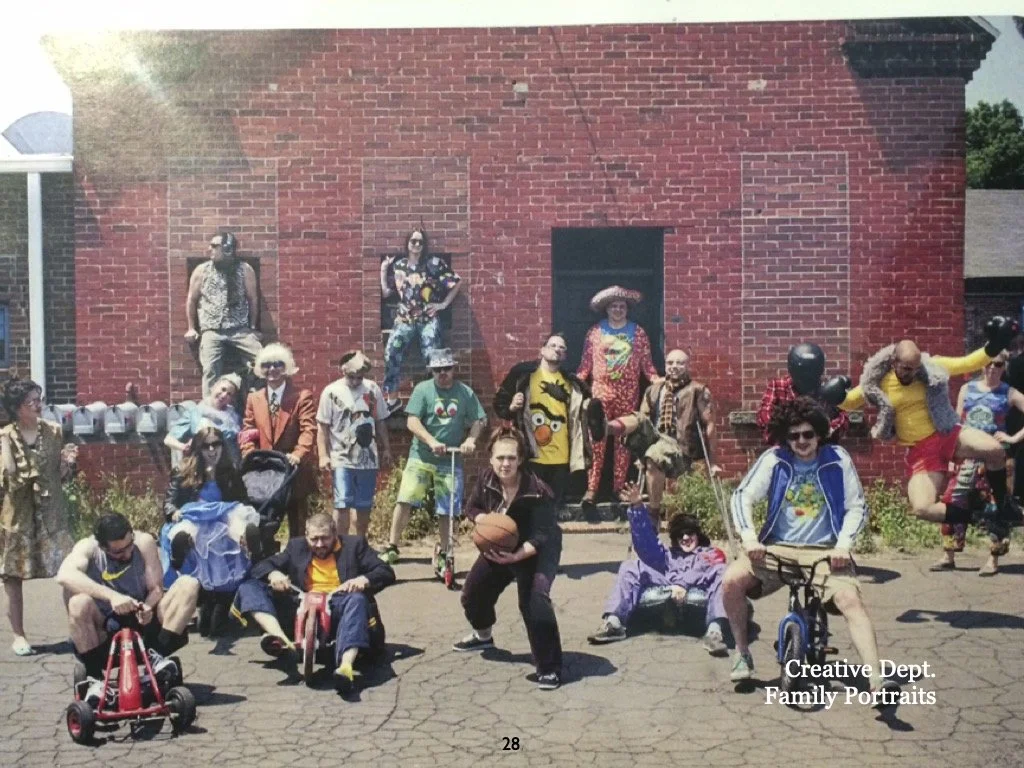
The most impactful design work often happens behind the scenes—building the teams, processes, and culture that enable great work.
Reflection
Building a creative organization taught me that leadership isn't about having all the answers—it's about having the conviction to put ideas forward, invite feedback, and remain open to being challenged.
There were times when introducing change felt uncomfortable, and even isolating. But I learned that people rarely embrace a culture because they're told to—they embrace it because they trust the person helping shape it.
By leading through example, staying consistent, and creating space for others to contribute, the culture gradually became something the team owned rather than something they were asked to follow. Looking back, that's the outcome I'm most proud of.
Case Studies in Organizational, Product & AI Transformation
-
Building a Creative Organization
Helped transform a 40-person regional digital agency into a nationally recognized creative consultancy by scaling multidisciplinary teams, introducing new capabilities, developing leadership, and creating a culture that enabled creativity, collaboration, and sustainable growth.
-

Operationalizing an Enterprise Brand
Helped transform The Hartford's brand into a scalable enterprise system by creating reusable standards, governance, and implementation guidelines that unified communications across business lines, internal teams, and agency partners.
-
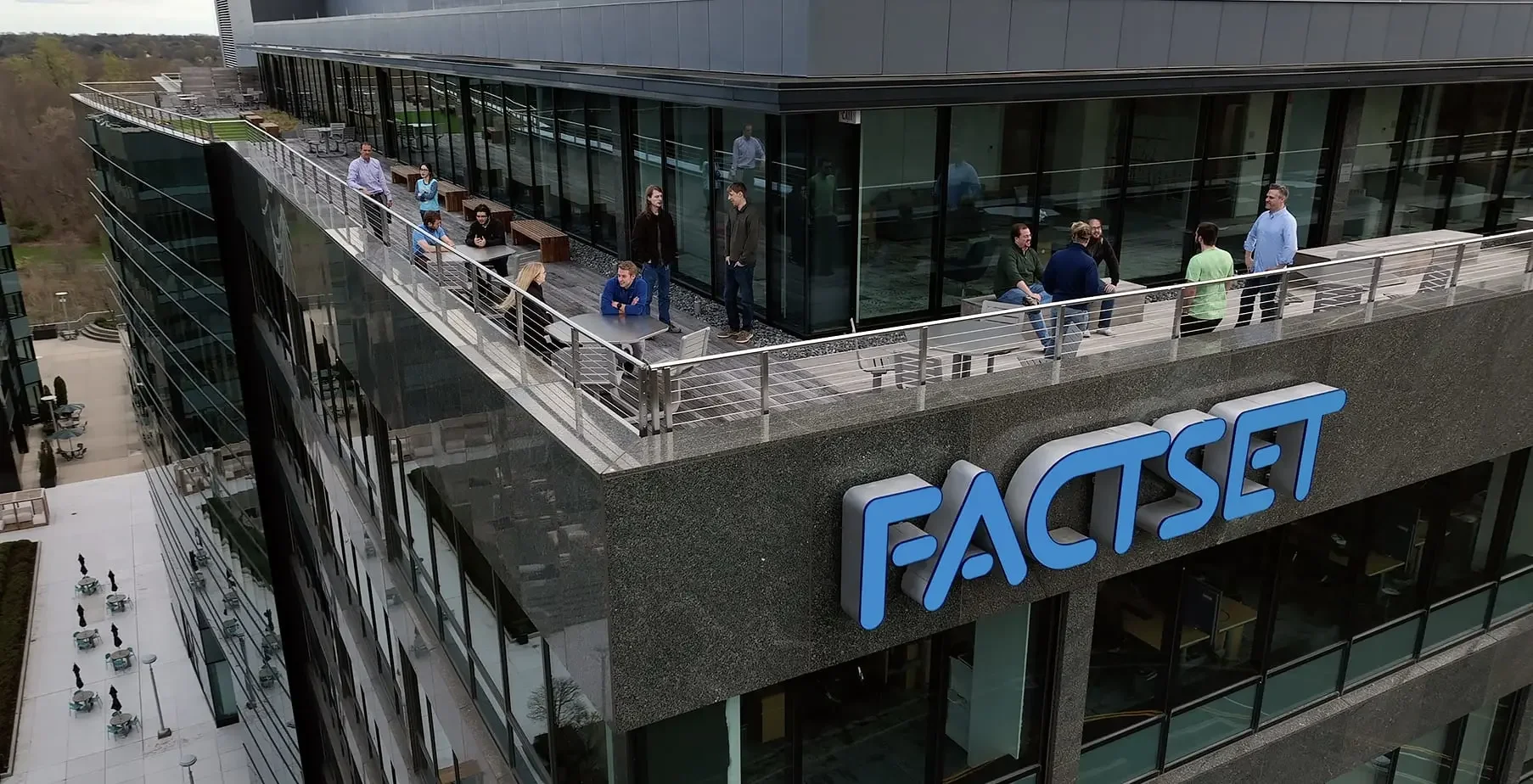
Transforming a Global Design System into One Unified Team
Unified a globally distributed Design Systems organization by establishing shared governance, scalable operating models, and cross-functional collaboration across Design, Engineering, Product Management, Accessibility, UX Writing, Research, and Agile—turning Fusion into a more connected, consumer-focused organization.
-
Accelerating Enterprise Product Design with AI
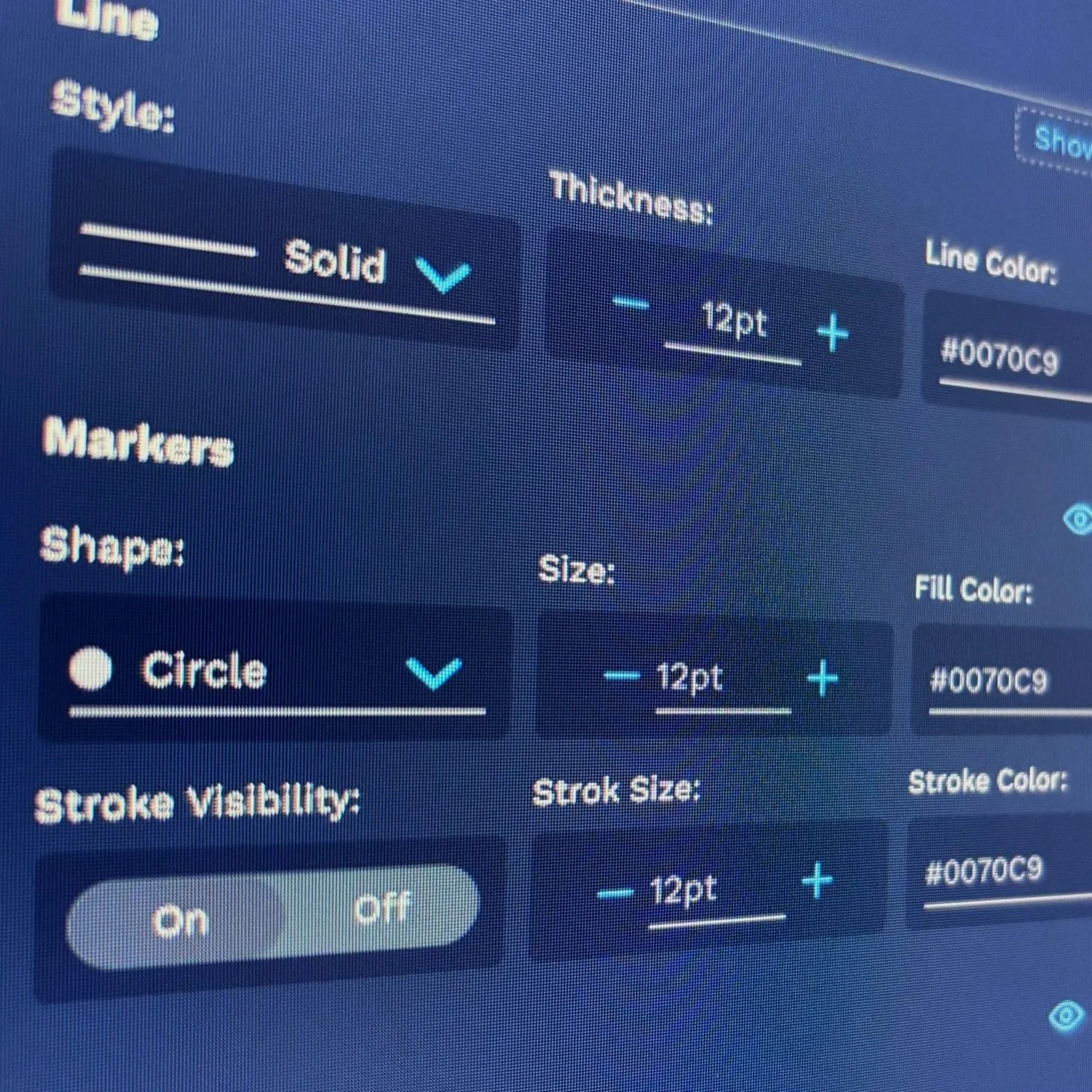
Redesigned the Highcharts authoring experience while pioneering an AI-enabled design-to-code workflow using ChatGPT, Claude Code, and MCP integrations. Delivered two interactive enterprise prototypes in just 2.5 months, generating 70%+ reusable production-quality code.
-

Leading Cadillac's Digital Transformation
Directed the UX and creative vision for Cadillac's digital relaunch, balancing immersive brand storytelling with enterprise-scale commerce and creating reusable design standards that supported the entire digital ecosystem.