

Building a Scalable Enterprise Brand System
Overview
While serving as Vice President, Creative Director at Primacy, I was embedded within The Hartford's marketing and brand organization to lead the development of an enterprise brand system. Working as an extension of their internal team while leveraging Primacy's creative resources, I collaborated with executive marketing leadership, internal teams, and agency partners to transform existing brand standards into a practical, scalable framework that could be consistently applied across the enterprise.
Role
Vice President, Creative Director (Embedded Client Partner)
Agency
Primacy
Client
The Hartford
Industry
Insurance
Focus
Enterprise Brand System, Creative Direction, Design Standards
Responsibilities
Brand Strategy, Creative Leadership, Design System Development, Executive Presentation
Deliverables
Enterprise Brand System, Templates, Guidelines, Rollout Strategy
Outcome
Developed an enterprise brand system that was adopted across The Hartford's business lines, providing a shared framework for internal marketing teams and agency partners for years before the company's next major brand transformation.
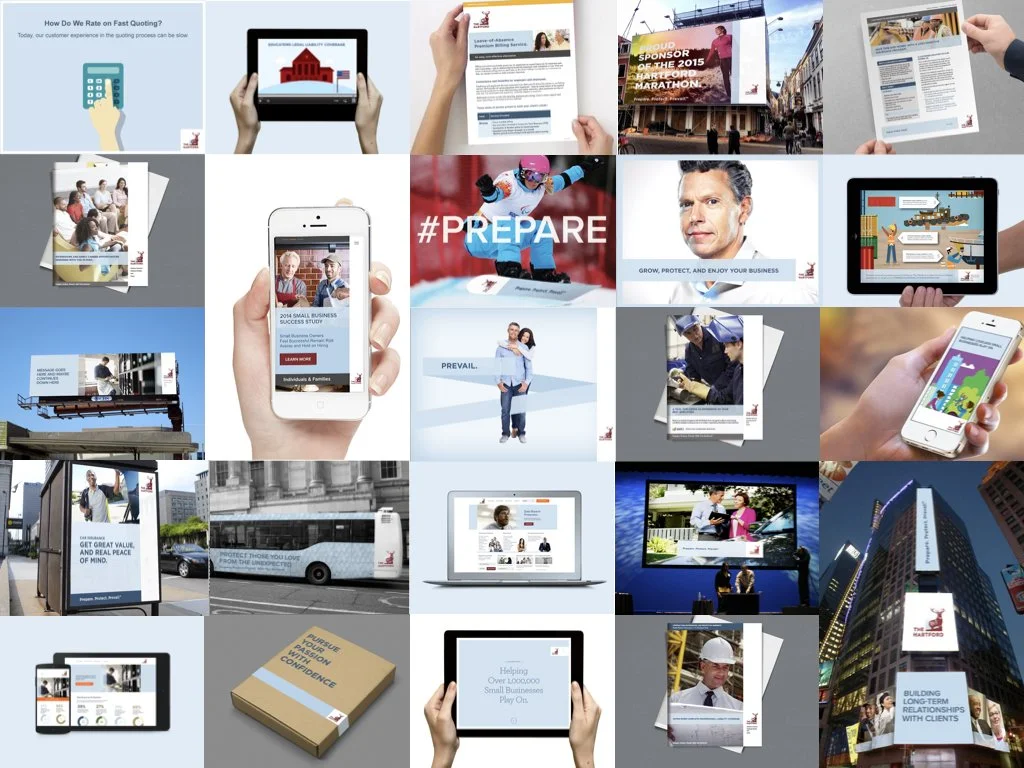
Success wasn't measured by the guidelines we created. It was measured by how easily teams could put them into practice.
Key Contributions
Enterprise Brand Governance
Created a scalable design system that transformed brand standards into practical implementation guidelines for enterprise-wide adoption.
Embedded Leadership
Served as an embedded Creative Director within The Hartford's marketing organization, bridging internal stakeholders, Primacy, and external agency partners.
Built for Adoption
Designed a framework that teams could easily understand, apply, and scale across print, digital, advertising, and corporate communications.
The Challenge
As The Hartford continued to expand its marketing initiatives across business units, agencies, and channels, leadership recognized the opportunity to establish a common framework that could be adopted consistently across the enterprise.
The challenge wasn't simply creating a brand system. It was creating one that internal marketing teams and agency partners could all understand, trust, and apply with confidence.
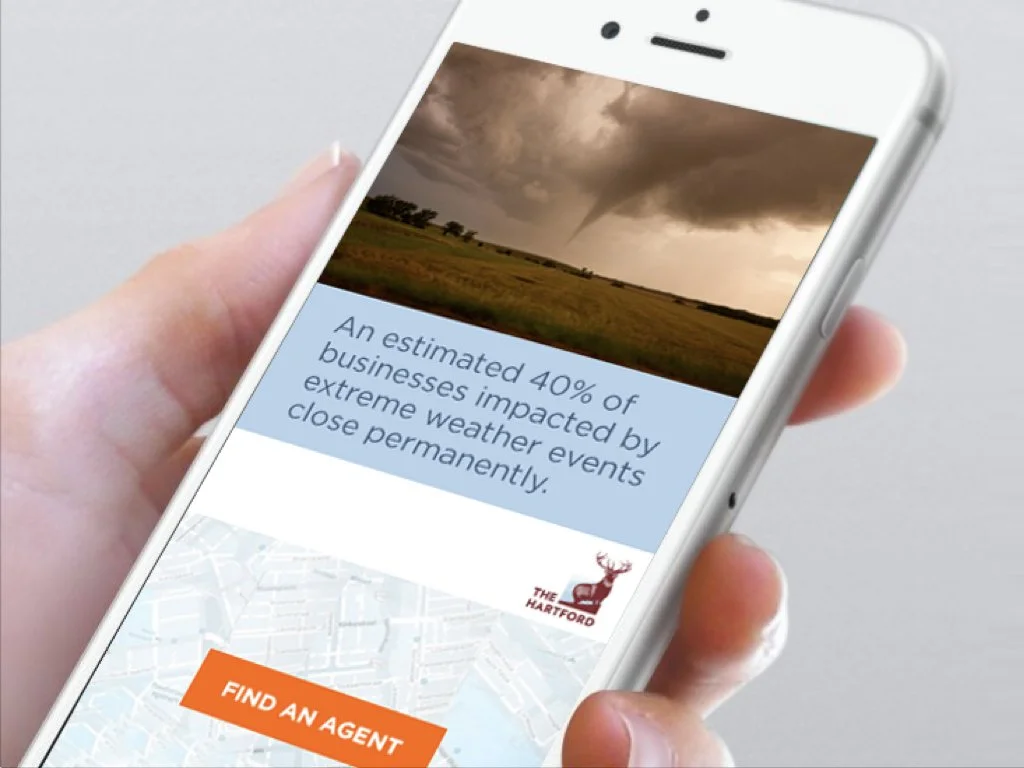
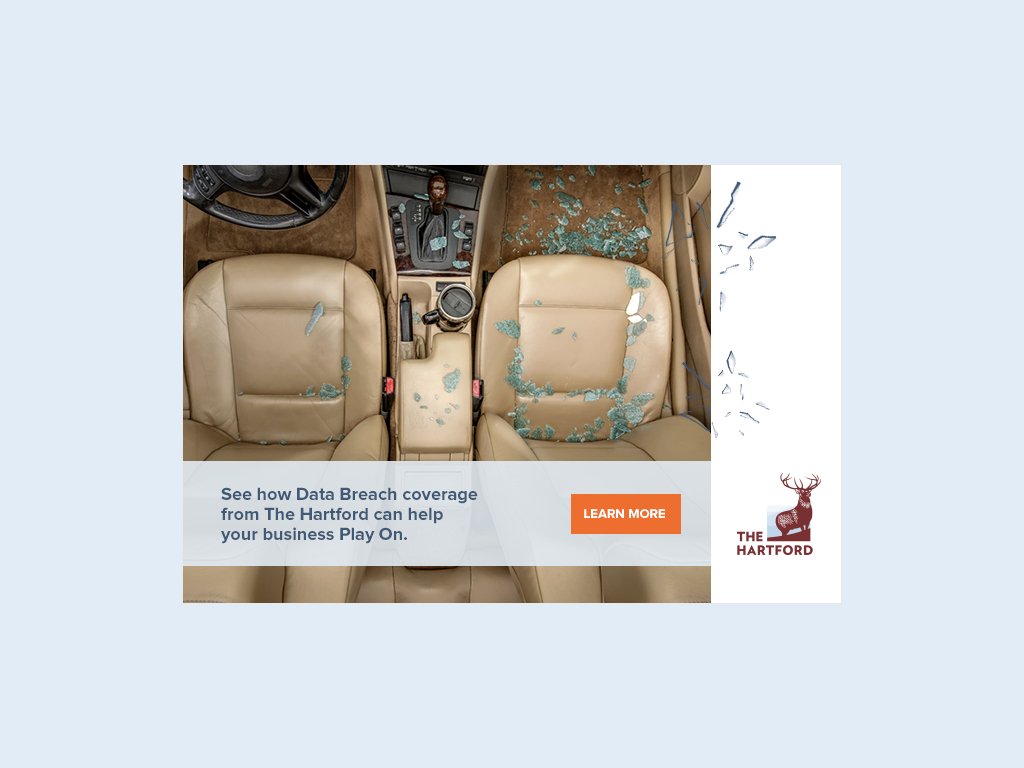
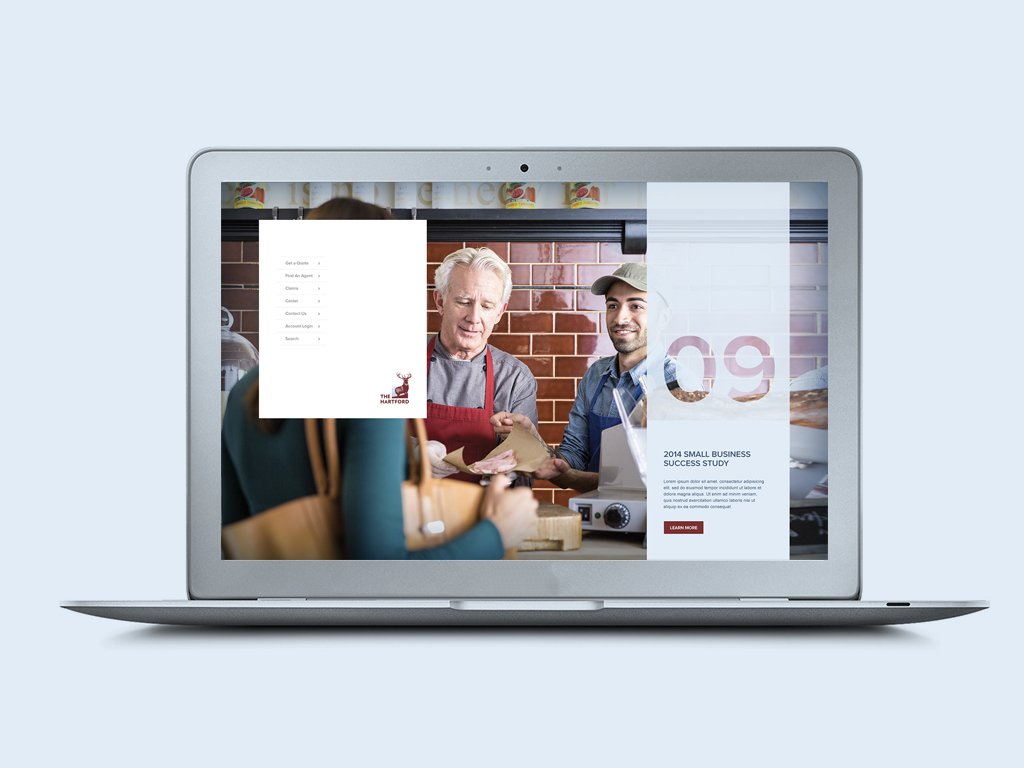
My Contributions
Although employed full-time by Primacy, I served as an embedded member of The Hartford's marketing organization throughout the engagement, collaborating directly with executive marketing leadership, internal creative teams, and external agency partners while leading the creative vision for the initiative.
My responsibilities included:
Leading the creative strategy for the enterprise brand system
Developing the visual framework and proportional grid
Establishing layout, typography, and composition standards
Creating reusable templates and implementation guidelines
Partnering closely with internal marketing leadership throughout development
Co-presenting the final system during the enterprise rollout
Design System Principles
The enterprise brand system established standards for:
Logo placement and protection
Proportional grid construction
Typography hierarchy
Image treatments
Graphic elements and the "ramp"
Content alignment and spacing
Call-to-action placement
Print and digital templates
Cross-channel consistency
The emphasis was on creating reusable principles rather than static templates, enabling future work to remain both flexible and consistent.

Results
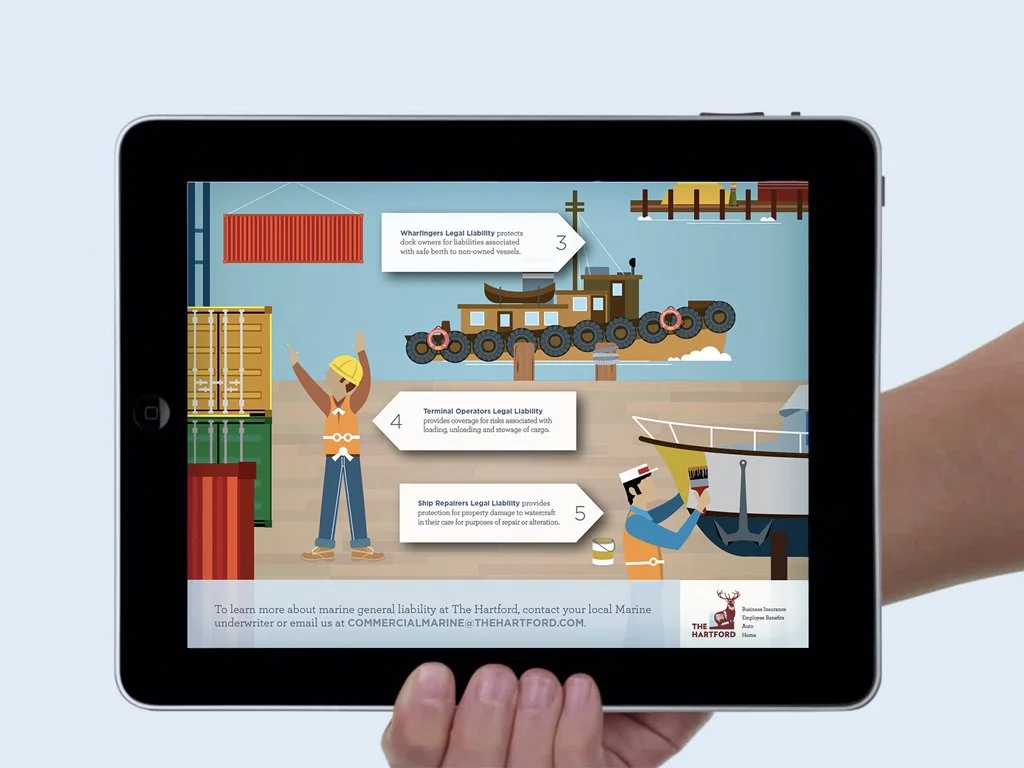
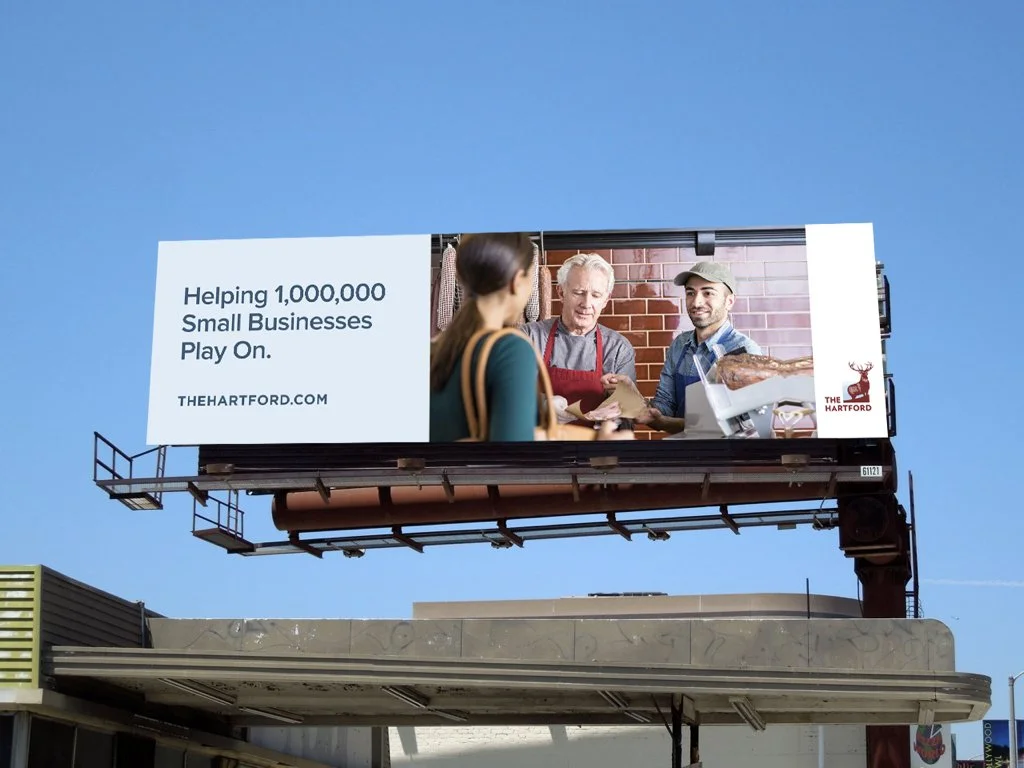
The resulting framework was adopted across The Hartford's business lines, providing a common visual language for internal marketing teams and external agency partners. By documenting the underlying design principles—not just individual templates—the system supported consistent brand execution across the enterprise for years before The Hartford undertook its next major brand transformation.
Leadership Highlights
Embedded as an extension of The Hartford's marketing organization
Led the creation of an enterprise-scale brand system
Developed a reusable proportional grid and layout methodology
Unified print and digital communications under a common framework
Created implementation guidelines to support long-term adoption
Co-presented the system to enterprise marketing leadership
Reflection
Working on this case study made me realize something I hadn't fully appreciated during my career. Whether I was helping The Hartford operationalize its brand, scaling Primacy's culture and creative organization, building a global design system at FactSet, or most recently helping MKS define how it presents itself, I've been solving the same problem.
I've never been particularly interested in creating isolated design artifacts. What motivates me is helping organizations understand who they are—and then building the systems that allow everyone else to express that identity consistently. To me, branding has never been about colors, logos, or typography. It's about behavior. It's about giving an organization a shared language that scales across people, products, partners, and experiences.
Looking back, I think that's been the common thread throughout my career.
Case Studies in Organizational, Product & AI Transformation
-
Building a Creative Organization
Helped transform a 40-person regional digital agency into a nationally recognized creative consultancy by scaling multidisciplinary teams, introducing new capabilities, developing leadership, and creating a culture that enabled creativity, collaboration, and sustainable growth.
-

Operationalizing an Enterprise Brand
Helped transform The Hartford's brand into a scalable enterprise system by creating reusable standards, governance, and implementation guidelines that unified communications across business lines, internal teams, and agency partners.
-
Transforming a Global Design System into One Unified Team
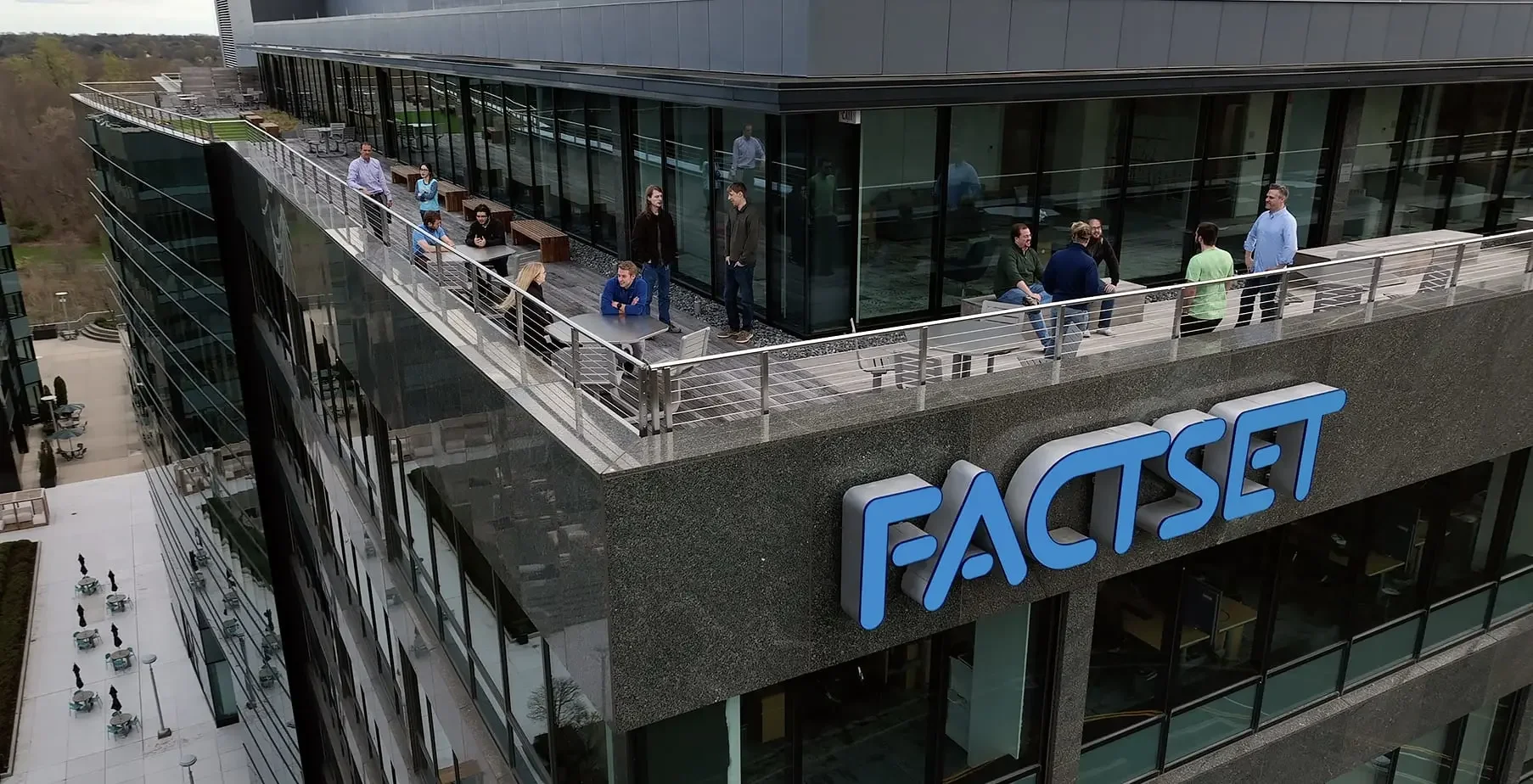
Unified a globally distributed Design Systems organization by establishing shared governance, scalable operating models, and cross-functional collaboration across Design, Engineering, Product Management, Accessibility, UX Writing, Research, and Agile—turning Fusion into a more connected, consumer-focused organization.
-
Accelerating Enterprise Product Design with AI
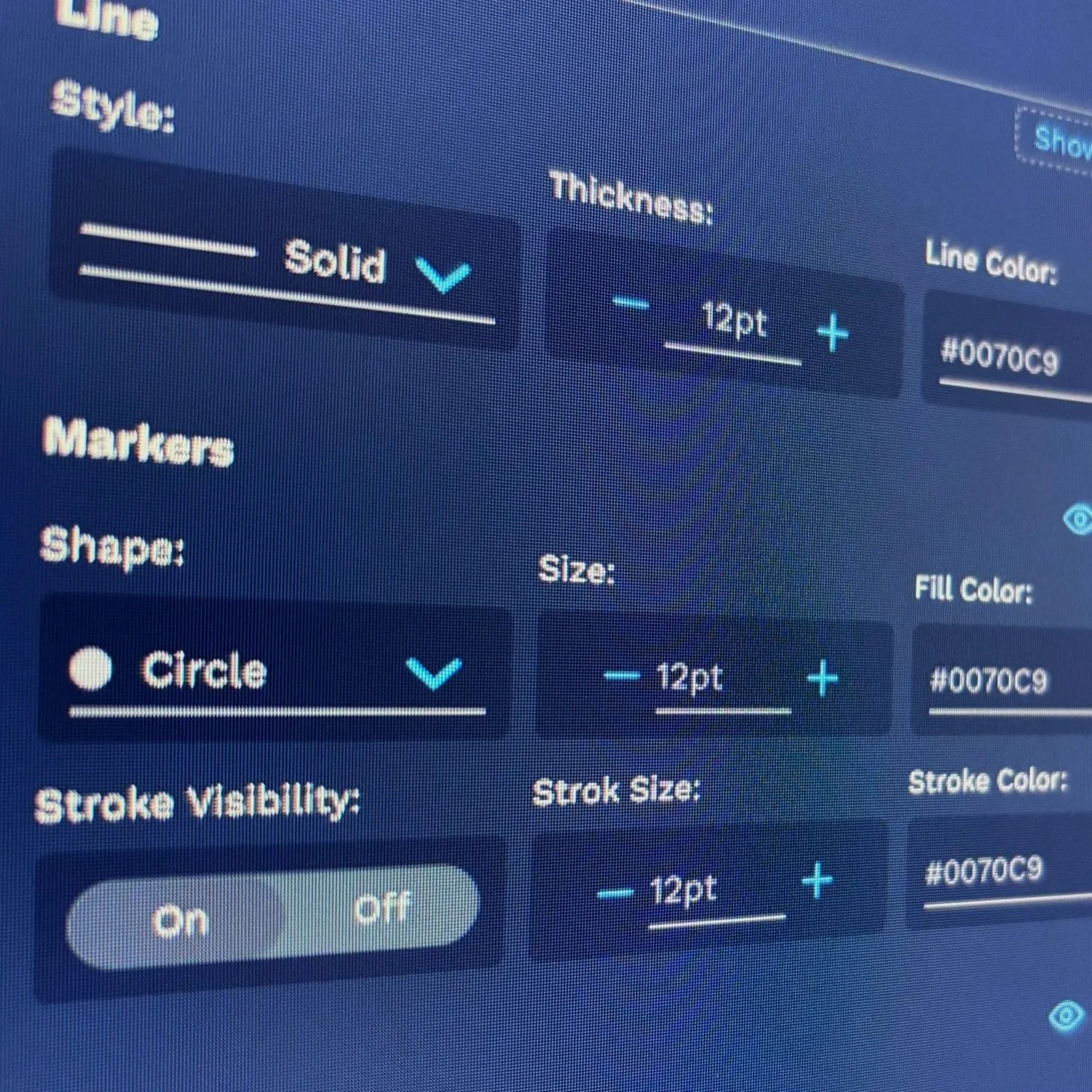
Redesigned the Highcharts authoring experience while pioneering an AI-enabled design-to-code workflow using ChatGPT, Claude Code, and MCP integrations. Delivered two interactive enterprise prototypes in just 2.5 months, generating 70%+ reusable production-quality code.
-

Leading Cadillac's Digital Transformation
Directed the UX and creative vision for Cadillac's digital relaunch, balancing immersive brand storytelling with enterprise-scale commerce and creating reusable design standards that supported the entire digital ecosystem.